
Zapoteca portoricensis
Zapoteca portoricensis
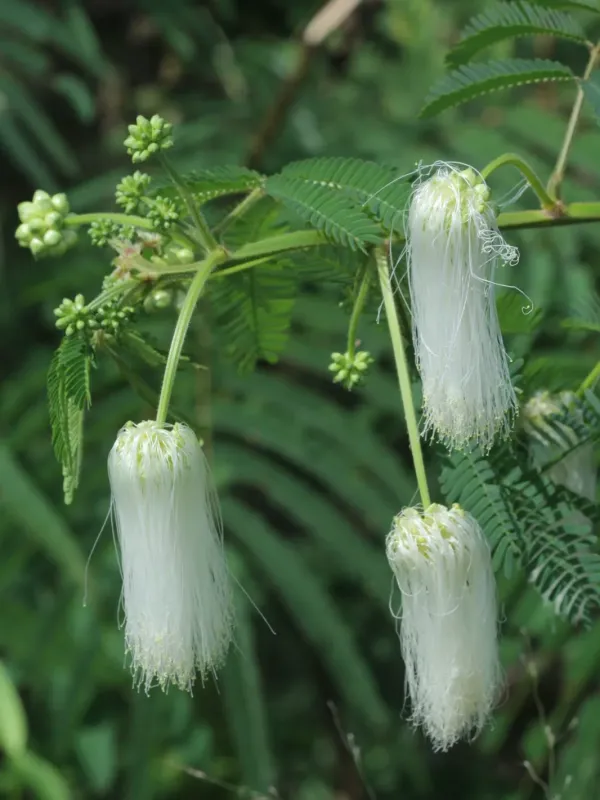
Description
Sowing dates
Zapoteca portoricensis is a perennial shrub belonging to the Fabaceae family, native to the tropical regions of the Americas and the Caribbean.
Sowing is ideally carried out at the beginning of the rainy season to ensure sufficient moisture for seed germination and seedling establishment.
Seed treatment, specifically scarification, is essential to break dormancy and ensure uniform emergence of the crop across the field.
The plant demonstrates excellent adaptability to various soil types, proving useful in reclaiming degraded lands and improving soil structure.
Proper spacing between plants is crucial to avoid overcrowding, allowing for maximum airflow and penetration of sunlight to the lower branches.
Growing requirements
This crop thrives in a tropical climate characterized by distinct wet seasons, though it shows remarkable resilience to periodic dry spells.
Zapoteca is not demanding regarding soil fertility, growing successfully in both sandy and clay-heavy soils, provided there is no waterlogging.
As a member of the legume family, it improves soil nitrogen levels through symbiotic relationships with rhizobia, acting as a natural soil enhancer.
The plant is light-demanding and requires full sun exposure for optimal vegetative growth and the production of high-quality biomass.
Temperature stability is important, as the plant prefers warm conditions (+20°C to +30°C) and is highly sensitive to frost and extreme cold.
Yield
The primary agricultural value of Zapoteca portoricensis lies in its high production of green fodder, which serves as a valuable feed for livestock.
Biomass yields are significantly increased through regular pruning or cutting, which stimulates vegetative regrowth and branching of the shrub.
The foliage acts as a potent green manure, contributing to rapid soil enrichment when incorporated into the farming cycle through natural litterfall.
The plant exhibits a high reproductive capacity, ensuring a consistent supply of seeds for expanding plantations or maintaining existing ones.
- Excellent regrowth potential after harvesting.
- High protein content in leafy tissues.
- Ability to thrive in marginal tropical environments.
Main diseases and pests
The main threats to the health of the crop include fungal infections, which are often triggered by excessive humidity and poor ventilation within the canopy.
Pests such as aphids or leaf-eating insects can cause damage during the vegetative stage, particularly if the plants are already stressed by environmental factors.
Root rot remains the most serious threat, usually occurring in poorly drained soils where water accumulates for extended periods.
Integrated management, including pruning for airflow and regular monitoring for early signs of disease, is the most effective way to protect the crop.
Biological pest control methods are recommended over synthetic chemicals to maintain the safety and quality of the fodder production.
Harvesting
Harvesting for fodder should occur before the stems become overly lignified, ensuring that the material remains succulent and palatable for animals.
Seed collection requires careful timing to catch the pods at the moment of maturity, preventing losses due to natural dehiscence and seed dispersal.
The use of sharp tools is critical during cutting to minimize damage to the crown of the shrub, allowing it to recover quickly for the next growth cycle.
Harvested material should be processed or utilized immediately to prevent nutrient loss and the growth of mold in humid conditions.
Proper storage of seeds in dry, cool conditions is necessary to maintain their viability and ensure successful future planting seasons.