
Zapoteca media
Zapoteca media
Description
Growing requirements
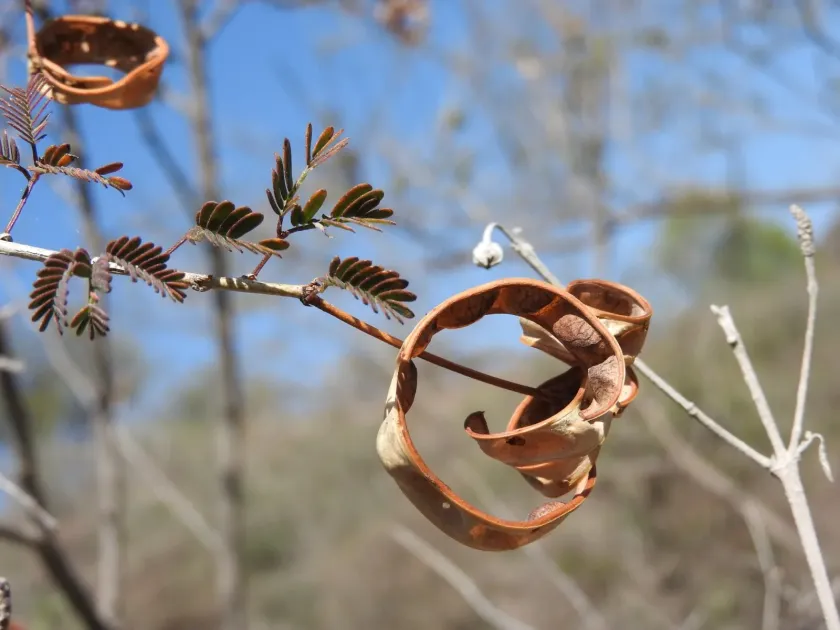
Zapoteca media is a perennial herbaceous plant or semi-shrub belonging to the Fabaceae family. Originally classified under the genus Calliandra, it is native to tropical and subtropical regions of the Americas, thriving in diverse environmental conditions.
The plant features pinnate leaves and a robust root system capable of symbiotic nitrogen fixation. This biological trait allows it to thrive in nutrient-poor soils and contribute significantly to soil fertility improvement in agricultural settings.
Regarding soil requirements, Zapoteca media prefers well-drained, fertile soils with a neutral or slightly acidic pH. Although it demonstrates notable drought tolerance once established, consistent moisture is essential to maximize the vegetative growth rate.
The climate requirements reflect its tropical origins, as the species performs best in warm, frost-free environments. Extended exposure to cold temperatures or severe frost can be detrimental to the plant's structural integrity and overall vigor.
Agronomic management involves preparing the field to ensure weed suppression during the initial establishment phase. Regular pruning is recommended to stimulate lateral branching and increase biomass production, which is essential for forage purposes.
Yield
The primary agricultural use of Zapoteca media is the production of high-protein forage for livestock. Its nutritional profile makes it a viable supplement in animal diets, particularly in warm-climate production systems.
One of the key benefits of this culture is its high regeneration capacity after harvesting. Depending on management intensity and soil fertility, the plant can provide multiple harvests throughout the growing season, ensuring a steady supply of green biomass.
Beyond forage, Zapoteca media is highly valued as a green manure crop. Incorporating its biomass into the soil enhances organic matter content and significantly boosts nitrogen levels, which benefits subsequent crop rotations.
In soil conservation programs, the plant serves as an effective cover crop. Its dense root network stabilizes the soil profile, mitigating erosion caused by wind or water, and helps maintain ground moisture levels during dry spells.
The harvest should be strategically timed during the budding phase to ensure the highest concentration of proteins and minerals in the foliage. Modern machinery can be utilized for efficient harvesting, optimizing the labor-to-yield ratio.
Main diseases and pests
Fungal diseases, particularly root rots, represent the most significant threat to Zapoteca media. These issues typically emerge in fields with poor drainage or excessive soil moisture, which compromise the plant's vascular health.
Pest pressure often originates from soil-borne larvae that feed on the roots of young plants. Pre-planting seed treatment and ensuring appropriate soil health are critical steps in reducing initial infestations by these pests.
Leaf spotting diseases may appear in dense, poorly ventilated plantings. Maintaining proper spacing between rows is a crucial cultural practice that ensures adequate airflow and reduces the risk of fungal proliferation across the field.
Sucking insects, such as aphids, can infest younger shoots during prolonged dry weather. Integrated pest management strategies, focusing on biological controls, are generally preferred to maintain the ecological balance of the plantation.
In general, Zapoteca media exhibits strong natural resistance to many common legume diseases. By practicing crop rotation and avoiding over-irrigation, farmers can maintain a healthy, productive stand with minimal reliance on chemical interventions.