
Zapoteca caracasana
Zapoteca caracasana
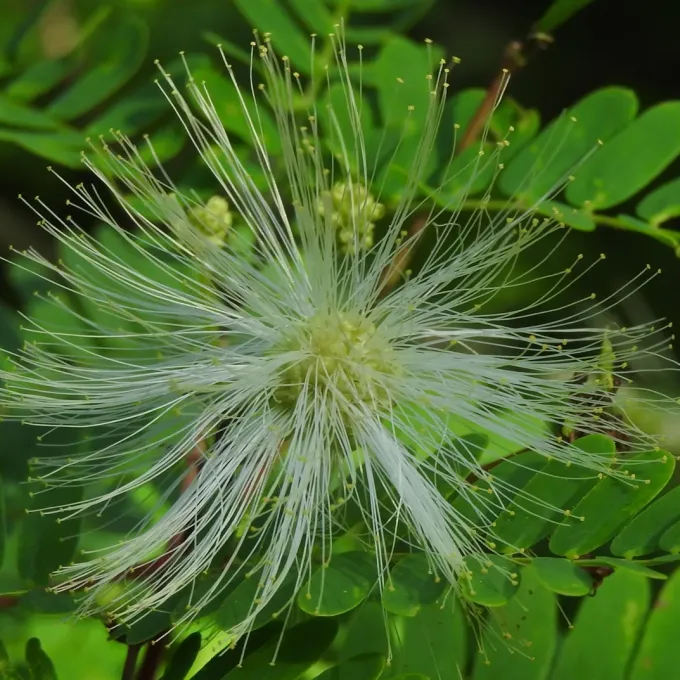
Description
Sowing dates
Zapoteca caracasana is a perennial legume plant from the Fabaceae family, widely recognized for its high adaptability in tropical climates.
The optimal time for sowing is at the onset of the rainy season, which ensures adequate moisture levels for the successful germination of seeds.
Seeds of Zapoteca caracasana often feature a hard seed coat, and pre-sowing scarification is highly recommended to improve germination rates.
The seeds should be planted in rows at a shallow depth of approximately 1–2 cm, ensuring good contact with the surrounding soil.
Spacing during planting is determined by the intended use of the crop, whether it is for dense soil coverage or as a forage production plot.
Growing requirements
This species thrives in full sun but is known to exhibit moderate shade tolerance, making it suitable for various agroforestry systems.
Zapoteca caracasana is not overly demanding regarding soil quality; it can establish itself in a variety of soil types including sandy and loamy soils.
It prefers a soil pH in the range of 5.5 to 7.0 and requires soil that offers good drainage to prevent the stagnation of water around the roots.
The plant benefits significantly from the presence of native nitrogen-fixing bacteria, which are essential for its healthy growth and soil enrichment.
Being a tropical plant, it requires consistent warmth and will not survive in climates prone to regular frost or prolonged cold weather conditions.
Yield
Zapoteca caracasana is highly regarded for its ability to produce significant amounts of green biomass, making it an excellent candidate for forage.
In many agricultural settings, it is utilized as a green manure crop, contributing organic matter and nitrogen back into the soil cycle.
The plant's ability to recover rapidly after cutting allows for multiple harvests per year, ensuring a steady supply of nutritious animal feed.
The yield of green biomass can be optimized through regular maintenance, including pruning that encourages bushier growth patterns.
Seed production depends on environmental conditions and the presence of pollinators, which are vital for the formation of healthy, viable pods.
Main diseases and pests
Young plantations are particularly susceptible to damage from various beetles and weevils that feed on the succulent leaves and tender shoots.
High humidity combined with poor airflow often leads to the development of fungal pathogens, specifically powdery mildew and leaf spot diseases.
Root rot is a common and serious threat, usually resulting from soil compaction or poor drainage that prevents oxygen from reaching the root zone.
Sucking insects, including aphids and spider mites, can cause severe stress to the plant during dry spells, leading to stunted overall growth.
- Monitoring for pest presence on a weekly basis.
- Improving airflow through proper spacing of plants.
- Applying natural disease control methods where appropriate.
Harvesting
Seed harvesting is delicate due to the tendency of the pods to dehisce (split open) and disperse seeds upon drying in the field.
It is advisable to harvest the pods just as they begin to change color, completing the drying process in a protected and ventilated area.
For forage purposes, the optimal time for harvesting is before the plant begins to lignify, ensuring the highest protein content for livestock.
Manual harvesting techniques are often used in smaller plots, while larger operations may require mechanical equipment adjusted for low cutting heights.
Properly dried and stored seeds can retain viability for several seasons if kept in a cool, moisture-free environment away from direct sunlight.