
Virgilia divaricata
Virgilia divaricata Adamson
Description
Growing requirements
Virgilia divaricata is a fast-growing, evergreen tree belonging to the Fabaceae family. Native to the coastal forests and mountain slopes of South Africa, it is highly valued for its rapid growth rate and stunning visual appeal.
The tree thrives in deep, fertile, and well-drained soils. Its root system is known to host nitrogen-fixing bacteria, which helps enrich the soil with essential nutrients, making it an excellent candidate for soil remediation projects.
Regarding climate, this species prefers mild conditions. While it is somewhat resilient, it requires protection from severe frosts during its juvenile stage. Full sun to partial shade is ideal for maintaining the plant's health and density.
Agricultural management should focus on consistent moisture, especially during the establishment phase. Although the tree has some drought tolerance once established, supplemental watering ensures a lush canopy and vigorous growth.
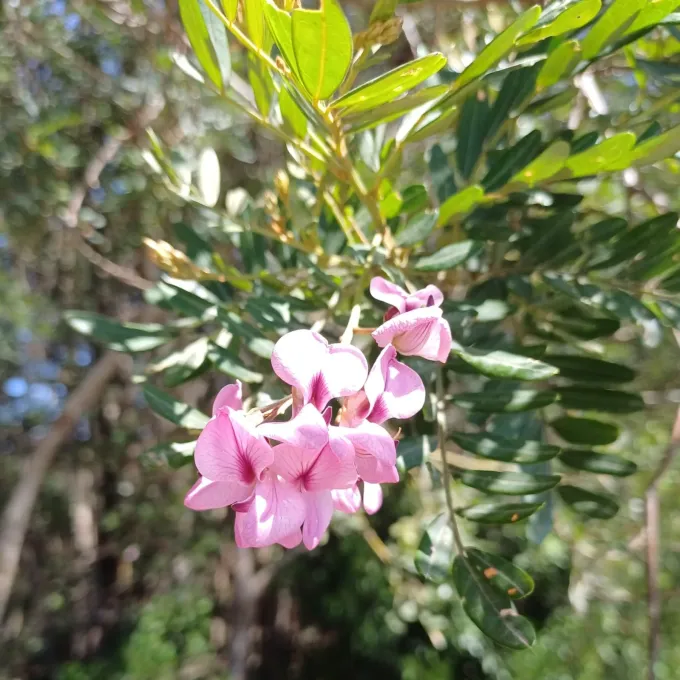
The aesthetic value of Virgilia divaricata is enhanced by its fragrant, pinkish-purple flowers that bloom in clusters. This makes it a popular choice for urban landscaping and as a nectar source for various pollinators.
Main diseases and pests
Pest issues primarily involve defoliating insects that can mar the appearance of the foliage. Integrated pest management, focusing on biological controls, is often sufficient to keep populations at a manageable level.
Fungal leaf spot can occur in regions with excessive humidity or poor airflow. Providing adequate spacing between trees is crucial to promote circulation and prevent the development and spread of these infections.
Root rot remains the most serious threat, typically linked to waterlogged soil conditions. Planting in raised beds or ensuring that the soil structure is friable and well-draining is a vital preventative measure.
Maintenance pruning helps in removing dead or infected wood, which reduces the potential for opportunistic pathogens. It also aids in structural integrity, especially in regions prone to strong winds.
Monitoring the growth environment is key to ensuring the longevity of Virgilia divaricata. By mitigating environmental stress and observing strict hygiene practices, growers can sustain healthy and resilient plantations.