
Uraria rufescens
Uraria rufescens
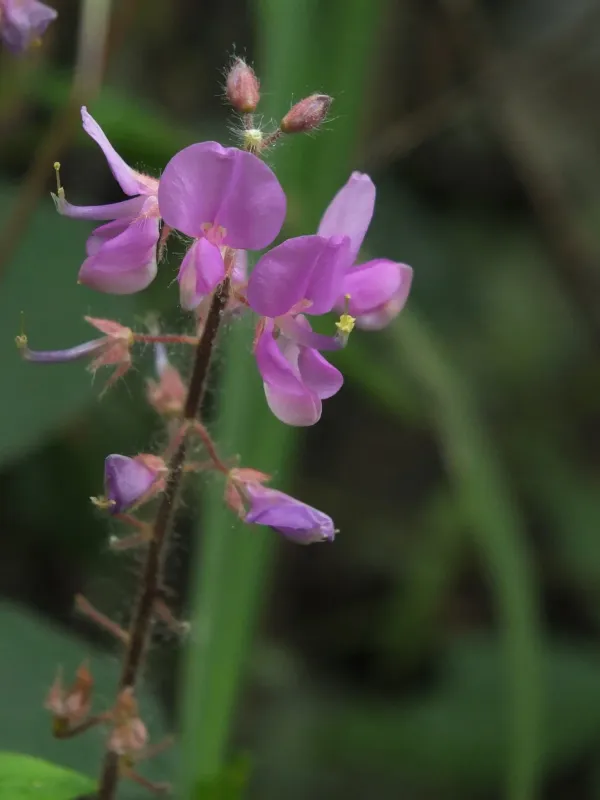
Description
Sowing dates
Sowing of Uraria rufescens is best conducted during the spring season when soil temperatures remain consistently above 18 degrees Celsius for germination.
Due to the hard seed coat typical of many legumes, scarification is recommended before planting to ensure uniform and accelerated emergence of seedlings.
The standard row spacing should be maintained between 45 and 60 centimeters to allow for proper mechanical weeding and root system development.
Seeds should be planted at a shallow depth of approximately 2-3 centimeters to ensure sufficient moisture contact while allowing the shoot to reach the surface.
Field density targets vary based on site-specific fertility, generally aiming for a population that supports maximum biomass production without resource competition.
Growing requirements
Uraria rufescens is a perennial legume species belonging to the Fabaceae family, native to regions within tropical Asia and parts of Africa.
The plant thrives in warm, tropical climates and requires high levels of solar radiation to fulfill its photosynthetic potential throughout the growing cycle.
Optimal soil conditions consist of well-drained loams with a neutral pH, ensuring that the plant avoids issues related to waterlogging and soil acidity.
While the species is relatively drought-tolerant, consistent moisture during the early vegetative stage is essential for establishing a robust root architecture.
Integrated nutrient management is recommended, focusing on maintaining adequate phosphorus and potassium levels to promote overall plant vigor.
Main diseases and pests
Root rot pathogens represent the most significant threat to Uraria rufescens, particularly in soil environments with poor drainage and excessive moisture accumulation.
Folivorous insects, such as beetles and caterpillars, can cause extensive damage to foliage, significantly reducing the economic yield of the crop.
Nematode infestations may occur in specific soil types, necessitating the use of crop rotation strategies to minimize the buildup of soil-borne parasites.
Effective pest management involves early detection of symptoms and the targeted application of biological control agents to preserve crop health.
Preventative measures, including field sanitation and the use of certified seed lots, are crucial for long-term production success in agricultural settings.