
Uraria lagopodioides
Uraria lagopodioides
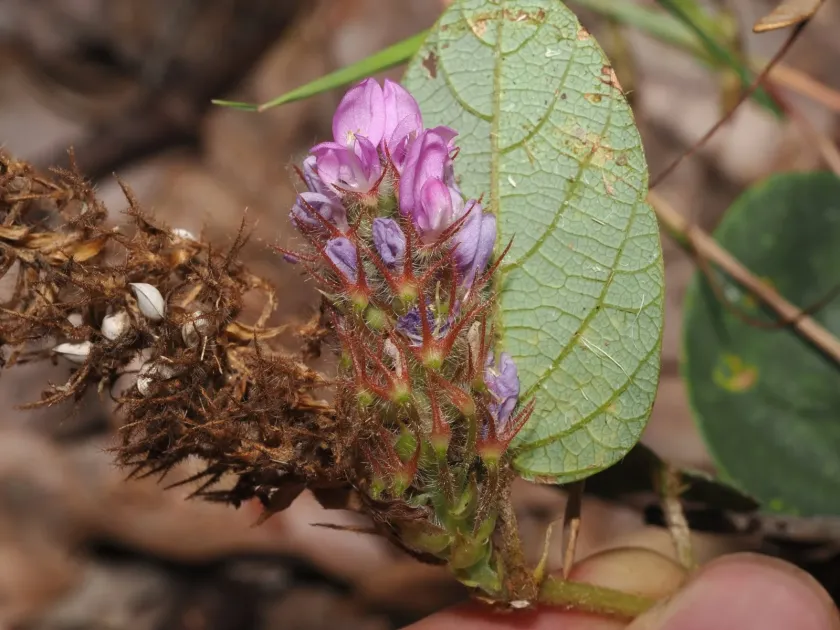
Description
Sowing dates
Uraria lagopodioides is primarily propagated from seeds sown in well-warmed soil. The ideal planting window is spring, once the threat of late frosts has passed, as the seedlings are quite delicate during their early developmental stages.
To improve germination rates, seeds often undergo scarification. They are typically sown at a depth of 1–2 centimeters, ensuring they have sufficient moisture but are not buried too deeply to impede the emergence of the sprout.
Growth is relatively slow in the initial weeks, making weed control essential. Maintaining clean rows helps the crop establish a strong root system before competing for vital nutrients and sunlight in the field.
For nursery-based propagation, seeds should be started in containers 4 to 6 weeks before the intended transplanting date. This method allows for stronger initial growth and a higher success rate when moving the plants to permanent beds.
Spacing is a critical agronomic factor; plants should be set with enough room to facilitate airflow and side-branching, which is crucial for maximizing the yield of the aerial plant parts later on.
Growing requirements
As a member of the Fabaceae family, Uraria lagopodioides thrives in well-drained, sandy loam, or loamy soils. It prefers a neutral to slightly acidic pH, which helps the plant effectively utilize soil nutrients.
The plant is highly photophilous and requires full sun exposure to thrive. In regions with dense canopy cover or frequent cloudiness, yields of the medicinal biomass are significantly lower than in open-field conditions.
Originating from tropical and subtropical climates, the plant requires consistent temperatures and regular, moderate moisture. It is not cold-hardy and will struggle in environments that experience frequent freezing temperatures.
Soil fertility management should focus on incorporating organic matter. While the plant can fix atmospheric nitrogen due to its leguminous nature, supplemental potassium and phosphorus help strengthen stems and promote flowering.
- Climate preference: Tropical to subtropical.
- Soil texture: Loamy, well-drained.
- Sunlight requirement: Full sun exposure.
- Watering needs: Moderate and consistent.
Yield
The economic value of Uraria lagopodioides is derived from its vegetative biomass, which is harvested for traditional medicinal purposes. Production levels typically increase as the plant matures over its multi-year lifespan.
Farmers can expect the highest yields during the second and third years of cultivation. After this point, the plant may become woody, which can affect the quality of the harvested medicinal material.
Proper management, including timely pruning and fertilization, can lead to multiple harvests throughout the growing season in optimal tropical conditions. However, a single, high-quality harvest at peak flowering is often standard.
Post-harvest efficiency is key to maintaining quality. The biomass must be processed quickly; excessive delay in drying can lead to fermentation, significantly reducing the levels of active phytochemicals.
Yield targets vary by region, but with good agronomic practices, intensive plantations can produce significant quantities of dried raw material per hectare while ensuring the longevity of the perennial crop.
Main diseases and pests
Root rot is the most common threat to this crop, especially in poorly drained fields or during prolonged rainy periods. Proper drainage management is the primary preventative measure against such pathogens.
Leaf-feeding insects and aphids represent the most significant pest risks. Monitoring for infestation is critical, as these pests can weaken the plant and reduce the purity of the medicinal leaves required for industry.
Weed management remains the most labor-intensive aspect of agronomy for this plant. If weeds are allowed to overgrow the crop, it leads to stunted development and increased susceptibility to various opportunistic fungi.
Biological pest control methods, such as utilizing predatory insects or botanical insecticides, are highly recommended to keep the harvest safe for pharmaceutical consumption while minimizing chemical residues.
Implementing a crop rotation cycle that avoids other Fabaceae family members helps reduce the soil-borne pathogen load, ensuring the health and productivity of the field over the long term.
Harvesting
The harvesting stage is timed to coincide with full bloom, as this is when the concentration of the plant's active compounds is at its highest point for therapeutic efficacy.
To harvest, plants are cut manually or mechanically at a height of 10–15 centimeters above the soil line. This precise cutting technique preserves the crown of the plant, allowing it to regrow successfully for the next season.
Immediate removal of any soil debris and contaminants after cutting is vital. Clean harvesting practices ensure the raw material meets the strict quality standards required for medicine production.
Transporting the fresh biomass requires well-ventilated containers to prevent overheating, which can cause chemical degradation of the active substances before they even reach the drying facility.
Final processing involves drying the plant matter in shaded, aerated areas until the desired moisture content is reached, which ensures the product remains shelf-stable for transport and processing.