
Uraria crinita
Uraria crinita
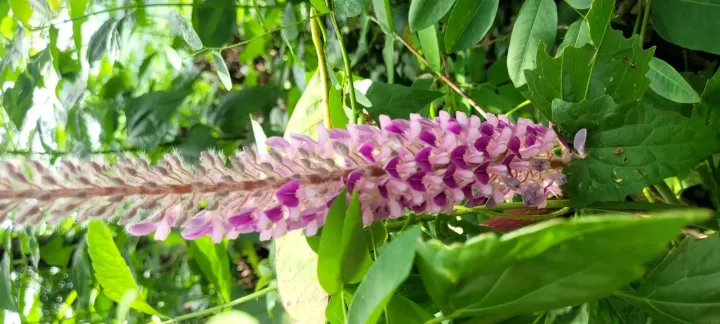
Description
Sowing dates
Uraria crinita is typically sown in the spring once soil temperatures reach the 18–22 °C range. Ensuring high germination rates involves seed scarification to break dormancy and improve water absorption prior to planting.
For commercial cultivation, row spacing should be set between 40–50 cm to ensure sufficient space for individual plants to develop. Consistent soil moisture during the germination phase is critical for establishing a healthy plant population.
Growing requirements
As a member of the Fabaceae family, Uraria crinita thrives in well-drained, fertile soils with a neutral or slightly acidic pH. It requires deep, well-aerated soil profiles to support the growth of its significant taproot system.
This crop is highly sensitive to cold and requires a warm climate with ample sunlight to maximize its physiological potential. In regions with cooler growing seasons, protected cultivation or greenhouse conditions are strictly recommended.
Nutrient management focuses on moderate nitrogen levels, as excessive nitrogen can encourage excessive vegetative growth at the expense of root quality. Phosphorus and potassium are vital for root development and overall plant resistance.
Watering requirements vary by growth stage, with consistent moisture needed during the early establishment. Once established, the plant becomes moderately drought-tolerant, but supplemental irrigation is necessary during dry spells.
Main diseases and pests
Root rot, often caused by stagnant water, is the primary pathological threat to this crop. Managing soil moisture levels through proper site selection and effective drainage systems is the best preventive strategy.
Pest management involves regular scouting for aphids and spider mites, which can proliferate during periods of heat stress. Biological control agents are preferred to preserve the medicinal quality of the harvest.
Harvesting
The primary harvest target for Uraria crinita is the root, which is often utilized for its chemical profile. Harvesting typically occurs at the end of the second growing season when the plant reaches maturity.
Post-harvest processing requires immediate cleaning, washing, and temperature-controlled drying. Preventing exposure to high temperatures or direct sunlight during the drying process is essential to maintain the structural integrity of active compounds.