
Kidney vetch
Tripodion tetraphyllum
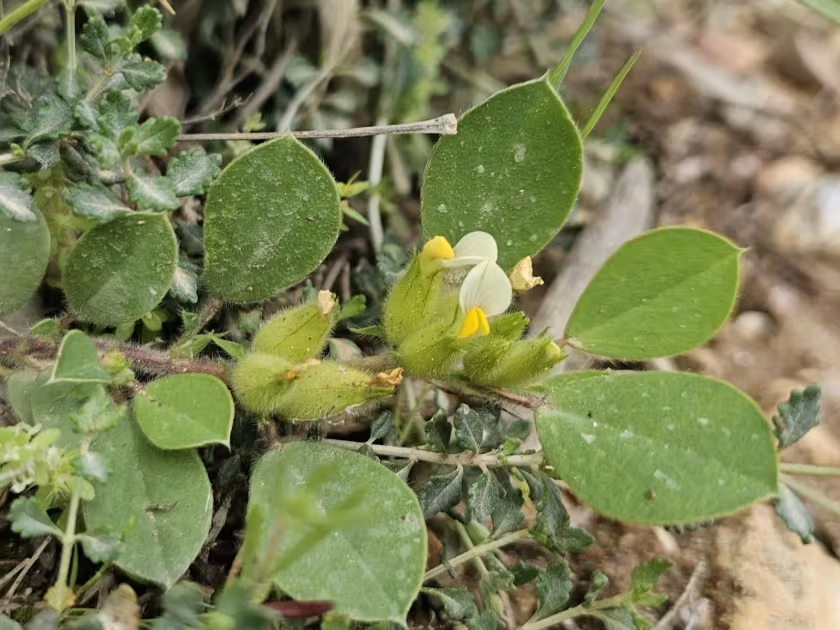
Description
Sowing dates
Kidney vetch (Tripodion tetraphyllum) is an annual legume species that requires specific temperature conditions for optimal germination. Sowing usually commences in early spring when the soil temperature consistently reaches 8–10 degrees Celsius.
Timing the sowing process correctly is crucial to avoid the risks of late spring frosts, which can damage emerging seedlings. In regions with Mediterranean climates, autumn sowing is also a viable practice for earlier spring growth.
The recommended sowing depth is between 2 to 3 centimeters, which allows for robust seedling emergence. Placing the seeds deeper may result in energy depletion of the embryo before it reaches the surface, while shallower planting risks rapid drying of the seedbed.
Soil preparation is a foundational step, involving creating a fine, firm tilth. A uniform seedbed ensures even germination and reduces competition between plants, leading to a more productive stand.
In dryland agriculture, sowing should be done as early as possible to ensure that plants utilize the soil moisture accumulated during the winter months, helping them establish before the onset of summer heat.
Growing requirements
As a member of the Fabaceae family, this crop is naturally adapted to the Mediterranean environment. It thrives on well-drained, lime-rich soils with a neutral to slightly alkaline reaction, ensuring optimal nutrient availability.
The plant exhibits remarkable drought tolerance, which is one of its primary agricultural advantages. Its root system is capable of accessing deep soil moisture, allowing the crop to maintain growth during periods of minimal rainfall.
Sunlight exposure is essential for the development of the plant. Kidney vetch performs best in open fields where it can receive direct solar radiation throughout the entire day, as shading tends to reduce biomass production significantly.
Excessive moisture is detrimental to this species. Waterlogging in the root zone must be avoided at all costs, as it quickly leads to root decay and overall plant failure, especially in heavy or clay-based soils.
Fertilization should prioritize phosphorus and potassium, which support root growth and the plant's symbiotic relationship with nitrogen-fixing bacteria. Proper soil nutrition ensures vigorous growth and improved resilience.
Yield
The primary agricultural use of kidney vetch is as a high-quality forage crop. The vegetative biomass is rich in proteins and minerals, making it an excellent component of the dietary intake for livestock, either fresh or as dried hay.
Yields of green forage are generally high when the crop is managed under favorable conditions. It can provide multiple cuts throughout the growing season, provided that the soil moisture levels remain adequate.
Beyond its forage value, the plant is highly regarded as a cover crop. By facilitating nitrogen fixation through root nodules, it enriches the soil, thereby increasing the fertility for subsequent crops in the rotation cycle.
Seed production is consistent and reliable, making the crop relatively easy to propagate within a farm setting. Proper harvesting techniques ensure enough seed is saved for the following season's requirements.
To maximize yields, it is important to provide irrigation during severe dry spells and manage weed populations that may compete with the crop for water, nutrients, and sunlight.
Main diseases and pests
Like many other legumes, this crop can be susceptible to fungal infections such as powdery mildew or rust, especially in humid conditions. These diseases can impair the photosynthetic capacity of the foliage and reduce hay quality.
Root rot is a significant concern in soils with poor drainage. The most effective way to prevent this issue is to avoid planting in waterlogged areas and ensuring appropriate field management practices.
Pests such as pea weevils and aphids can cause considerable damage to young sprouts and growing tips. Regular scouting of the fields is recommended to detect infestations early and allow for timely intervention.
Insects also act as vectors for various viral diseases, which can weaken the plant population. Maintaining a healthy field through proper rotation is essential for reducing the spread of these pathogens.
- Implement a well-planned crop rotation scheme.
- Monitor fields for early signs of pest activity.
- Ensure soil drainage to prevent fungal development.
- Control weeds that might host pests or diseases.
- Utilize disease-resistant seed varieties where possible.
Harvesting
Harvesting for forage should take place during the full flowering stage. This is the period when the nutritional profile of the plant, particularly its protein content, is at its peak for optimal livestock consumption.
Mowing should be performed when the crop is dry, preferably during the morning hours after dew has evaporated. Using mechanical rakes to turn the cut material helps in even drying and preservation of nutrient quality.
Seed harvesting should be timed carefully when the seed pods turn a dark brown color. Delaying the harvest risks significant seed shattering and loss of potential yield, so timing is critical to success.
When used as a green manure or cover crop, the material should be incorporated into the soil before the pods fully harden. This practice effectively returns biomass and nitrogen to the soil surface and deeper layers.
Stored hay must be kept in clean, dry, and well-ventilated barns. Protecting the harvested crop from humidity is essential to prevent mold growth, which can cause toxicity and loss of forage value.