
Scorpiurus vermiculatus
Scorpiurus vermiculatus L.
Description
Sowing dates
Scorpiurus vermiculatus, commonly known as the caterpillar plant, is an annual legume species belonging to the Fabaceae family. Sowing typically takes place in autumn in Mediterranean-style climates, allowing the plant to benefit from seasonal moisture during its early vegetative stages.
To achieve successful establishment, the seedbed must be finely prepared, leveled, and free of debris. Seeds are generally sown at a depth of 2 to 3 centimeters, ensuring sufficient soil contact and moisture to promote rapid germination and early root development.
Seeding rates depend on the intended use, whether for intensive grazing or for dry hay production. In pasture settings, the seeding rate may be adjusted to allow for the plant's natural tendency to spread and form a dense ground cover.
Weed management is critical during the initial growth phase, as the plant can be slow to establish when competing with aggressive annual weeds. Utilizing a clean field or appropriate pre-sowing cultivation is essential for high yields.
The plant demonstrates excellent adaptability when sown in diverse soil types, provided that it is exposed to full sunlight. Optimal spacing encourages airflow, which reduces the incidence of diseases during the later stages of growth.
Growing requirements
This crop thrives in sunny, open environments, reflecting its origins in Mediterranean ecosystems. It is highly valued for its ability to grow in poor, rocky, or sandy soils where other more demanding forage crops might fail to establish.
The preferred soil pH for Scorpiurus vermiculatus is neutral to slightly alkaline. While the plant shows remarkable tolerance to drought, it requires a reasonable amount of moisture during its peak growing period to maximize the production of lush green biomass.
Waterlogging and poor drainage are detrimental to this crop; therefore, it is vital to select fields with adequate drainage capacity. It does not perform well in heavy, saturated clay soils that prevent root aeration.
As a legume, it possesses the unique capacity for nitrogen fixation through symbiotic relationships with Rhizobium bacteria. This biological process significantly improves soil nitrogen levels, benefiting the crop itself and the subsequent plants in a rotation system.
Temperature requirements are moderate; the plant grows best in temperatures ranging from 15 to 25 degrees Celsius. It can tolerate cooler temperatures during winter in Mediterranean regions but is sensitive to prolonged heavy frost during the seedling stage.
Yield
The biomass yield of Scorpiurus vermiculatus is highly responsive to favorable soil conditions and adequate nutrition. It provides a nutritious and palatable forage source for various types of livestock, especially sheep and cattle.
Nutritionally, the plant offers a balanced profile of protein and fiber, making it an excellent component for mixed pasture diets. It maintains quality well into the maturation phase, which adds flexibility to grazing schedules.
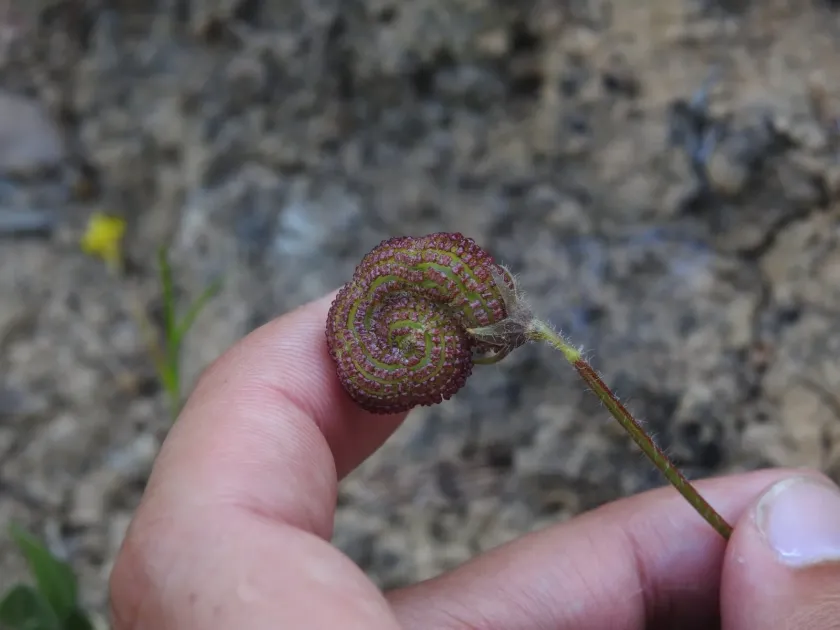
The plant produces distinctive, worm-like pods that are highly efficient at seed production. This prolific nature ensures that the crop can naturally reseed itself in managed pasture settings, reducing the need for constant re-sowing.
Farmers can increase forage yields significantly through the application of minimal phosphate and potassium fertilizers. These inputs support root development and enhance the plant's nitrogen-fixing capabilities in depleted soils.
When used for hay production, the crop should be harvested before the pods reach full maturity. This ensures that the leaves and stems retain maximum nutrient density, providing high-quality feed for the winter months.
Main diseases and pests
Like many leguminous crops, Scorpiurus vermiculatus can be susceptible to root rot diseases when managed in poorly drained soils. Maintaining proper rotation and ensuring fields are not over-irrigated are primary control strategies.
Weevil species can occasionally pose a threat during the early seedling stage, damaging leaves and young shoots. Integrated pest management, including regular field monitoring, is the most effective approach to mitigate potential damage.
Powdery mildew may occur during periods of high humidity and warm temperatures. Improving aeration within the stand through proper seeding density is an effective cultural practice to minimize the development of fungal pathogens.
Aphid infestations may happen in isolated patches, which can be managed through biological control agents like ladybugs. Chemical interventions should be used sparingly to maintain a healthy ecosystem within the pasture.
Preventive measures such as maintaining spatial separation from other susceptible legumes and cleaning equipment between fields are highly recommended to prevent the accidental introduction of pests and diseases.
Harvesting
Harvesting for fresh forage is ideally performed at the late vegetative or early flowering stage. This timing captures the optimal balance of fiber and crude protein, ensuring high digestibility and energy intake for grazing animals.
When cutting for hay, it is essential to minimize mechanical handling during the drying process to prevent the loss of foliage. Drying should be done in thin swathes in open fields to preserve the crop's nutritional value.
Seed harvesting should be timed precisely once the pods turn brown and start to dry out. Proper equipment calibration is necessary to ensure that the fragile pods are threshed efficiently without damaging the seeds inside.
Post-harvest storage requires clean, dry conditions with constant airflow. Keeping seed moisture levels below 14 percent is crucial to maintain seed viability and prevent the onset of spoilage or fungal growth during storage.
Fields harvested for seed leave behind organic matter that can be incorporated into the soil. This practice helps to improve soil structure and fertility, acting as a valuable green manure for the following crop cycle.