
Scorpiurus muricatus
Scorpiurus muricatus L.
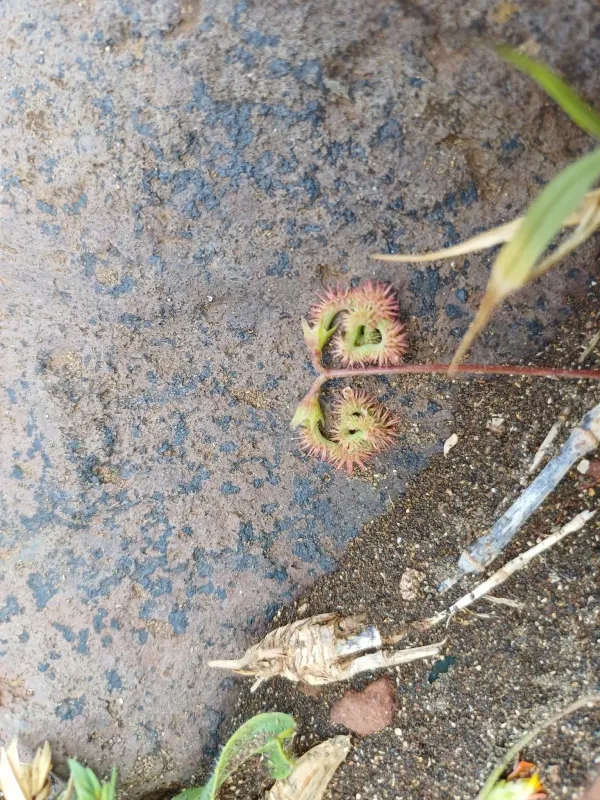
Description
Sowing dates
Scorpiurus muricatus is sown in the spring as soon as soil temperatures reach 10-12 degrees Celsius. Being an annual legume, its early development is crucial for establishing a robust root system before the dry season begins.
Seeds are drilled in rows, typically spaced 15-20 cm apart. This arrangement ensures proper air circulation and gives each plant enough room for canopy development, reducing competition for essential soil resources.
A planting depth of 2-3 cm is recommended to ensure optimal germination. In areas with lighter soils, slightly deeper sowing can help protect the seeds from desiccation, provided the seedbed is adequately firmed after planting.
Field preparation involves primary tillage to break up clods and level the soil surface. A uniform seedbed is essential for consistent sowing depth and rapid emergence, which is vital for the crop's establishment.
Spring sowing is the most reliable method for temperate zones, allowing the crop to utilize the residual winter moisture efficiently before moving into the vegetative and flowering stages.
Growing requirements
Scorpiurus muricatus is a member of the Fabaceae family, well-adapted to the Mediterranean climate. It thrives in conditions characterized by long, hot, and dry summers, where many other forage crops would fail.
The plant demonstrates significant tolerance to poor, stony, and even moderately saline soils. Its ability to colonize marginal lands makes it an excellent candidate for improving the productivity of degraded landscapes.
Light requirements are high for this species. It prefers full sun exposure, which stimulates rapid photosynthesis and maximizes biomass production, as well as the symbiotic activity of nitrogen-fixing root nodules.
Drainage is a critical factor for successful cultivation. While the species is drought-hardy, it does not tolerate waterlogging, which can lead to stunted growth and increased susceptibility to root-borne pathogens.
Soil nutrient requirements are generally low due to its natural ability to fix atmospheric nitrogen. However, minimal applications of phosphate can significantly boost root development and improve overall resilience.
Yield
The primary agricultural use of Scorpiurus muricatus is as a high-quality forage source for livestock, particularly sheep and cattle. Its protein content is superior to many native grasses, providing balanced nutrition.
Yield performance is consistent in arid environments where water availability is the limiting factor. The crop’s deep root system allows it to maintain productivity during intermittent droughts, ensuring a reliable feed supply.
Beyond its use as livestock feed, it serves as an effective green manure or cover crop. By fixing nitrogen in the soil, it enhances the fertility levels for subsequent cash crops in the rotation.
Productivity metrics are highly dependent on the timing of biomass harvest. Intensive management, including occasional irrigation during critical growth stages, can significantly increase total yield per hectare.
The unique morphology of its pods, which are often prickly, is a distinctive feature. When selecting varieties, breeders focus on traits that enhance both biomass quantity and the ease of harvestability.
Main diseases and pests
Fungal diseases like powdery mildew are the most significant threats, especially during periods of high atmospheric humidity. Maintaining proper field hygiene helps mitigate the risk of these diseases spreading.
Insects such as aphids and various weevils can damage young sprouts and flowering heads. Regular scouting is recommended to prevent significant pest outbreaks that could reduce overall stand vigor.
Seed-feeding insects can be particularly damaging to reproductive development. Protecting the crop during the pollination phase is essential for maintaining seed viability for future planting seasons.
Crop rotation remains the most effective prophylactic measure. Avoiding legumes in the same field for several consecutive years prevents the buildup of soil-borne pathogens and pests specific to the Fabaceae family.
Integrated Pest Management (IPM) strategies, including the use of biological controls and selective insecticides, should be employed to ensure that the forage remains safe for animal consumption.
Harvesting
Harvesting for hay should ideally occur at the peak of the flowering stage to ensure the highest protein content and digestibility. Cutting the crop at the right time is crucial for nutrient retention.
Mechanical harvesting requires attention due to the plant's structural characteristics. Prickly pods can become tangled in standard hay-making equipment, requiring careful setting of machinery for efficient operations.
Proper field drying to a moisture content of 15-18% is necessary before baling. This process prevents mold growth during storage and helps maintain the nutritional value and palatability of the forage.
If grown for seed production, harvest timing is determined by the color and maturity of the pods. Uniformity in maturation allows for a cleaner harvest and minimizes losses due to shattering.
Storage should be in cool, well-ventilated areas to prevent heat buildup and decomposition. Properly stored hay from this crop can provide reliable, high-energy feed throughout the winter months.