
Schotia brachypetala
Schotia brachypetala
Description
Growing requirements
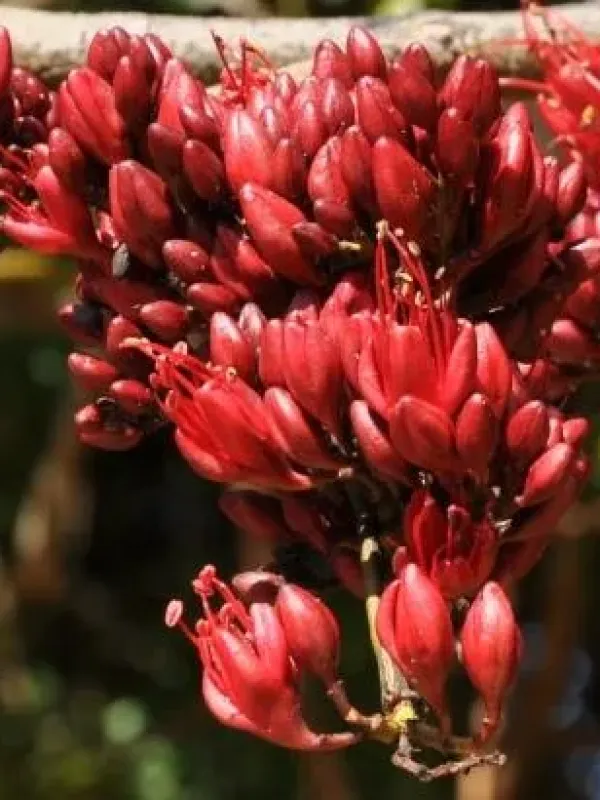
Schotia brachypetala, commonly known as the Weeping Boer-bean, is a stunning tree belonging to the Fabaceae family. It is widely recognized for its vibrant crimson flowers that appear in early spring, attracting various species of nectar-feeding birds.
Originating from Southern Africa, this species is highly adaptable to various climatic conditions within its native range. It thrives in frost-free regions but shows remarkable resilience to light frost once the tree has reached maturity.
The tree prefers deep, fertile, and well-drained soils to facilitate its expansive root system. While it can tolerate various soil textures, optimal growth is observed in loamy soils enriched with organic matter, which supports its lush foliage.
Cultivation requires full sunlight to achieve the best flowering potential. Regular watering is essential during the establishment phase, whereas mature trees exhibit a notable tolerance to occasional dry spells, making them suitable for water-wise landscaping.
Horticultural practices should include annual pruning to maintain a clean structure and promote better flowering. Maintaining a layer of organic mulch around the base helps regulate soil temperature and retain moisture throughout the hot summer months.
Main diseases and pests
The primary pests affecting Schotia brachypetala include scale insects and aphids, which typically cluster on tender new growth. These pests can be controlled using horticultural oils or systemic insecticides if infestations become severe.
Fungal leaf spot diseases may occur in environments with high humidity or poor airflow. Ensuring adequate spacing between trees and avoiding overhead irrigation can significantly reduce the risk of these infections.
Wood-boring beetles can pose a risk to older or stressed trees. Maintaining the tree's health through proper fertilization and watering is the best preventative strategy against these wood-damaging insects.
Root rot, often caused by poor drainage, is a critical threat to this species. It is imperative to monitor soil moisture levels to ensure that water does not pool around the base of the trunk for extended periods.
Early detection and intervention are key to managing threats. Routine inspections of the leaves, branches, and trunk will help identify issues before they impact the overall vitality and aesthetic appeal of the tree.