
Samanea saman
Samanea saman
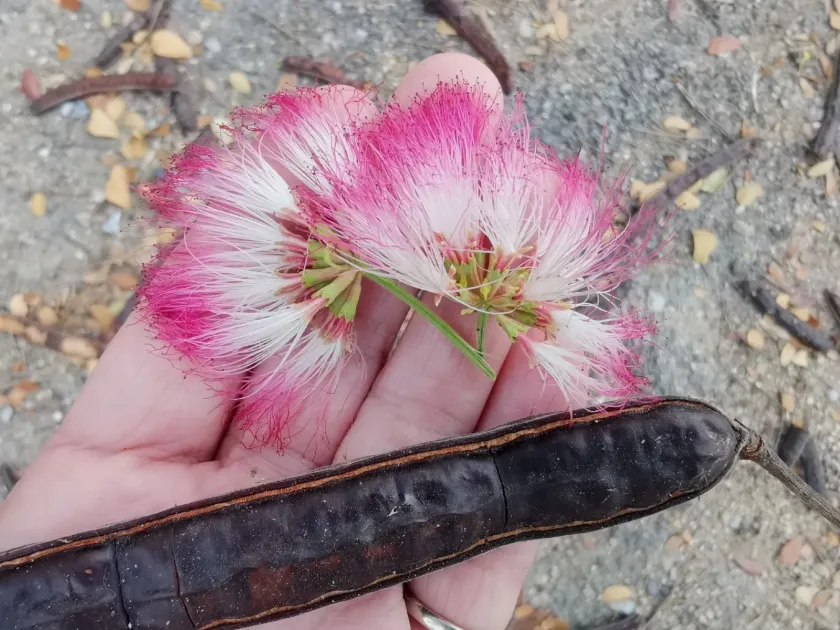
Description
Growing requirements
Samanea saman, widely known as the Rain Tree, is a majestic tropical species belonging to the Fabaceae family. It is recognized for its broad, umbrella-shaped canopy, which provides extensive shade and creates a microclimate beneficial for surrounding vegetation.
The tree thrives in tropical climates characterized by distinct wet and dry seasons. It is well-adapted to high-temperature environments, typically performing best at temperatures between 20 and 30 degrees Celsius, and possesses strong resilience against heat stress.
Regarding soil requirements, the species is highly adaptable and can grow in various soil types, ranging from sandy to heavy clay. Its ability to fix atmospheric nitrogen allows it to enrich poor soils, making it an essential species for soil restoration projects.
Optimal growth requires ample sunlight, especially during the early development phase. Proper drainage is crucial; while the tree is hardy, waterlogged soil can hinder root development and predispose the plant to various physiological stresses.
Agricultural management includes strategic planting to maximize shade and soil nitrogen enrichment. The species is frequently utilized in silvopastoral systems, where it supports both livestock grazing and forestry production simultaneously.
Yield
The primary agricultural output of Samanea saman consists of its nutrient-rich pods, which serve as high-protein forage for livestock. These pods are particularly valuable as a feed supplement during the dry season when traditional pasture availability declines.
The timber of the Rain Tree is highly valued for its durability and intricate grain pattern, making it a popular choice for fine furniture and artisan woodworking. This provides secondary income streams for farmers managing forest plantations.
Leaf biomass acts as a high-quality fodder for ruminants, providing essential nutrients that boost herd health. Controlled pruning of the canopy allows farmers to harvest green manure and forage without compromising the long-term vitality of the tree.
The yield of seed material is consistent in mature specimens, allowing for efficient propagation and reforestation efforts. Over several decades, a plantation can provide a sustainable harvest of wood, forage, and environmental services.
Furthermore, the tree acts as a reliable source of gum, which is collected for various industrial applications. Integrated management allows the species to provide multiple economic benefits to rural communities throughout the tropics.
Main diseases and pests
Samanea saman is generally considered a robust species, yet it may face challenges from fungal infections in excessively humid conditions. Monitoring leaf health for signs of fungal spots is recommended to prevent widespread infection across a plantation.
Pests such as wood-boring larvae pose a potential risk to the structural integrity of the trunk. Regular inspections and the removal of dead or infested branches are essential practices for maintaining the health of the tree population.
Young seedlings are occasionally vulnerable to aphids and rodents. Protective measures, such as mechanical barriers or the encouragement of natural predators, are effective strategies for minimizing pest impact during the establishment phase.
Root rot remains a concern if the soil lacks sufficient drainage, emphasizing the importance of site selection before planting. Avoiding over-irrigation in nursery settings is a standard preventative measure against soil-borne pathogens.
Overall, maintaining healthy stand density ensures good airflow and reduces the likelihood of disease transmission. Proper orchard sanitation and periodic monitoring are key to long-term successful production.