
Samanea tubulosa
Samanea tubulosa
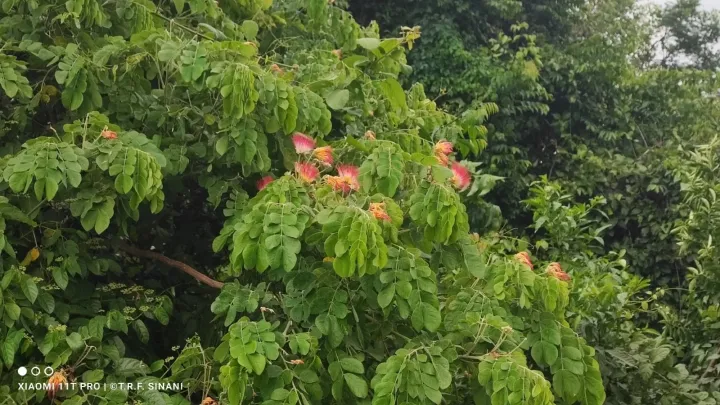
Description
Growing requirements
Samanea tubulosa belongs to the Fabaceae family. This tree is characterized by a broad, spreading canopy that provides excellent shade, making it a valuable component in multi-story cropping systems.
The plant is native to tropical regions of South America. It is naturally adapted to climates with distinct dry and wet seasons, thriving where it can receive periodic moisture followed by periods of intense sunlight.
Soil requirements include well-draining textures that prevent waterlogging, as the root system of Samanea tubulosa is sensitive to excessive moisture retention. It performs well on a variety of soil types ranging from loams to volcanic substrates.
Regarding climate, the species requires warm temperatures throughout the year. It does not tolerate frost and prefers areas protected from strong, drying winds which could cause mechanical damage to the branches.
Agrotechnical practices involve pruning to control canopy architecture, which is crucial for maximizing light penetration for underlying vegetation in agroforestry setups. Consistent soil management helps sustain its biological nitrogen-fixing efficiency.
Yield
The tree is highly valued for its timber, which is robust and possesses a fine grain suitable for high-quality furniture making and construction purposes where durability is required.
Fodder potential is a significant aspect of this culture, as the foliage and seed pods provide a high-protein supplement for livestock. This makes the species an important asset for sustainable pastoral systems.
As a nitrogen-fixing legume, Samanea tubulosa enhances soil fertility by converting atmospheric nitrogen into a plant-available form. This natural process reduces the need for synthetic fertilizers in diverse agricultural landscapes.
The tree also serves as an effective windbreak and serves to stabilize soil on slopes, contributing to erosion control and ecosystem health in managed agricultural zones.
Overall biomass productivity depends on spatial arrangement and environmental factors. Proper spacing allows for optimized growth cycles, ensuring consistent harvest yields of wood and forage resources over the lifespan of the tree.
Main diseases and pests
Pest threats include wood-boring beetles and various leaf-feeding caterpillars that can significantly impede the growth of young trees during localized outbreaks.
Fungal pathogens such as root rot are primary concerns in areas with poor drainage. Implementing proper irrigation management and selecting optimal planting sites are key strategies for mitigating these risks.
Integrated pest management (IPM) is recommended to control insect populations without disrupting the beneficial biodiversity often found in the tree's natural canopy environment.
Bacterial diseases causing leaf spots may occur during periods of high humidity and heat, necessitating adequate airflow and sanitation practices within the nursery and plantation environment.
Periodic monitoring of bark health and root collar condition is essential to detect early signs of infestation or decay, allowing for timely intervention and preservation of tree health.