
Poitea carinalis
Poitea carinalis
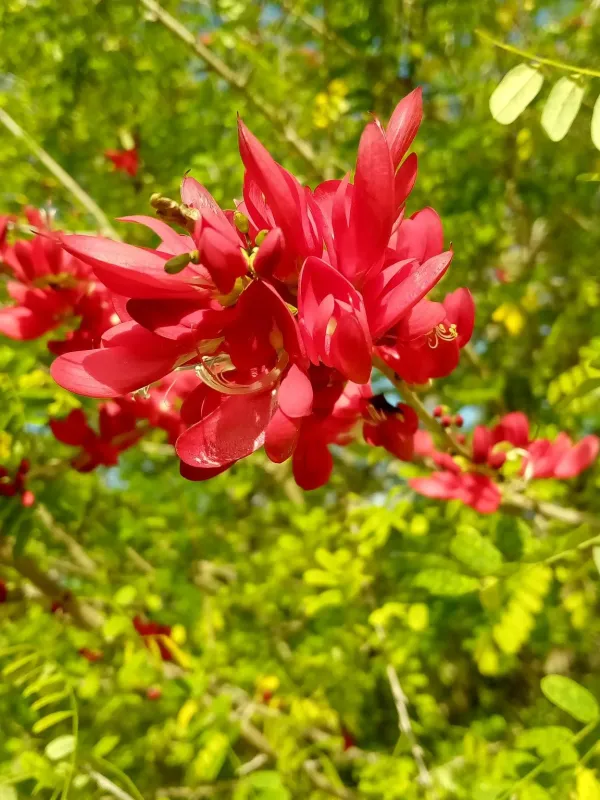
Description
Growing requirements
Poitea carinalis is a perennial woody shrub or small tree belonging to the Fabaceae family. Native to the Caribbean islands, specifically Haiti and the Dominican Republic, this plant thrives in tropical climate conditions, where it is often found in forest margins and mountainous areas.
This crop prefers well-drained, fertile soils with a neutral to slightly acidic pH. In its natural habitat, the plant is adapted to high light intensity, so cultivation requires full sun exposure to ensure active photosynthesis and vigorous flower bud development.
The plant has a high heat demand and is sensitive to sudden temperature fluctuations. The optimal temperature range for the growth and development of Poitea carinalis is between 22 and 30 degrees Celsius; it is essential to avoid frost-prone areas as the plant lacks cold hardiness.
Water availability must be moderate but consistent. Poitea does not tolerate waterlogging in the root zone, which can lead to rapid decay and root rot. Conversely, prolonged drought negatively impacts the plant's aesthetic value and overall biological activity.
The economic use of Poitea carinalis is primarily focused on ornamental horticulture and landscape design in tropical regions. Thanks to its prolific flowering with vibrant red or pink keel-shaped blossoms, the crop is highly valued as a specimen plant or for creating dense, flowering hedges.
Main diseases and pests
Like many legumes, Poitea is susceptible to sap-sucking pests such as spider mites and various scale insects, especially when kept in greenhouse environments. Regular inspection of the leaf undersides and timely application of insecticides are critical for plant protection.
Among fungal diseases, root rots are the most dangerous, often triggered by improper irrigation schedules or the use of heavy, poorly aerated potting media. Preventive measures include strict adherence to watering protocols and the use of fungicides at the first sign of infection.
Leaf spot diseases, caused by various pathogenic fungi, may occur under conditions of high humidity and poor ventilation. Proper air circulation and the immediate removal of infected plant debris significantly reduce the risk of further infection spread.
Nematodes can also pose a significant threat to the root system when grown in open ground. Using high-quality, sterilized substrates and maintaining strict quarantine rules for new nursery stock are the primary defense strategies against these soil-borne pests.
Viral infections, spread by insect vectors, can compromise the plant's overall vitality. Controlling populations of aphids and other potential carriers remains a fundamental requirement of the integrated pest management system for this crop.