
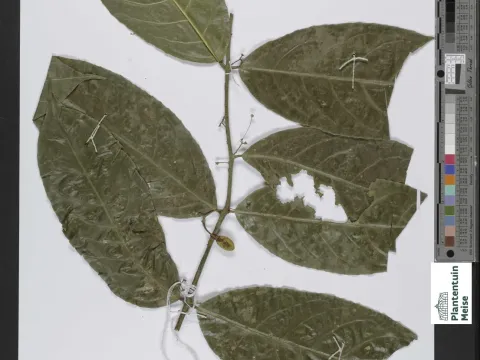
Prioria
Prioria
Prioria is a genus of evergreen tropical trees belonging to the Fabaceae family, subfamily Caesalpinioideae. These plants typically form the upper canopy of moist tropical forests, thriving in areas with high annual precipitation and consistent air humidity.
What the section contains

Prioria
Optimal growth requires deep, well-drained alluvial soils, often found in floodplains and low-lying regions of Central and South America. Species within this genus show remarkable tolerance to periodic root system inundation.
Climate requirements include high temperatures throughout the year without significant seasonal fluctuations. The trees are light-demanding; however, saplings can endure shading under the primary forest canopy, which facilitates successful population regeneration.
Biologically, Prioria is characterized by a robust root system that stabilizes the tree in the soft soils of tropical zones. The leaves are alternate and leathery, designed to maintain an efficient transpiration rate in the humid tropical climate.
The silviculture of Prioria is challenging due to the slow growth rate of young specimens. In its natural environment, the tree propagates via seeds dispersed by water or animals, requiring specific environmental conditions for germination and seedling establishment.
The primary economic product is high-quality timber, known internationally by the commercial name "cativo." It is prized for its moderate hardness, attractive grain pattern, and relative ease of processing.
Prioria timber is widely used in the furniture industry, for high-quality veneers, and as interior finishing material. Due to its natural resistance to decay, the wood is also utilized in general construction projects.
Timber yield per hectare from natural stands depends on tree density and age, often requiring several decades to reach industrial maturity. Modern forest management focuses on sustainable harvesting to ensure long-term availability.
Yield in forest plantation contexts is determined by the selection of specimens with straight trunks and minimal wood defects. The optimal rotation cycle for producing high-quality lumber typically ranges from 40 to 60 years.
Beyond timber production, the genus plays a vital ecological role by participating in the carbon cycle and supporting biodiversity. Conserving Prioria species helps prevent soil erosion in the floodplains of major tropical rivers.
The main threats to Prioria in its natural habitat are anthropogenic, specifically illegal logging and land conversion for agricultural use. This leads to habitat fragmentation and a decline in the populations of certain species.
Biological threats include wood-boring insects (xylophagous insects) that infest weakened trees, reducing timber quality. Limited genetic diversity within isolated populations makes them more vulnerable to emerging pathogens.
Fungal root diseases can develop under conditions of stagnant waterlogging if the natural hydrological regime is disturbed. Monitoring soil moisture and substrate composition is essential for forest health management.
Climate change, characterized by prolonged drought periods in tropical zones, negatively impacts the physiological state of Prioria. Stressed trees become less resistant to secondary infections and pest infestations, which lowers annual biomass growth.
Protection measures include the establishment of protected natural areas and the implementation of sustainable forest management systems that limit intensive logging and encourage natural regeneration in native habitats.