
Bauhinia urbaniana
Bauhinia urbaniana
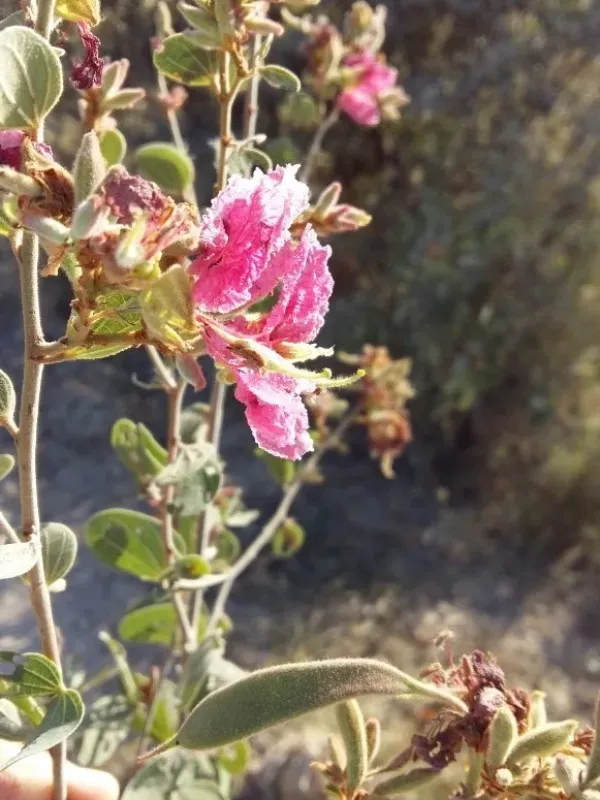
Description
Growing requirements
Bauhinia urbaniana is an intriguing botanical species belonging to the Fabaceae family. Originally native to the lush tropical habitats of Brazil, this plant is well-known for its distinctive leaf structure, often referred to as "butterfly wings" due to the characteristic split leaf shape.
The culture thrives in tropical climates where the temperature remains consistently warm, ideally between 22°C and 30°C throughout the year. It requires a sunny environment, though partial shade is beneficial in regions with intense afternoon sun to prevent leaf scorching.
Soil requirements for Bauhinia urbaniana involve a well-drained, nutrient-rich potting medium. The soil should be slightly acidic to neutral in pH to facilitate optimal nutrient uptake. Heavy clay soils are unsuitable and should be amended with organic matter to improve structure.
Agrotechnical management includes regular but controlled irrigation. The soil should remain moist but never waterlogged, as excessive standing water significantly increases the risk of root rot. During the growing season, a balanced fertilizer application is recommended every few weeks.
Pruning is essential for maintaining the shape and vigor of the plant. By removing dead or crossing branches, air circulation is improved within the canopy, which is vital for preventing humidity-related diseases and supporting healthier foliage development.
Main diseases and pests
The primary threats to Bauhinia urbaniana cultivation include fungal pathogens that exploit high humidity and poor air circulation. Root rot, caused by various soil-borne fungi, remains the most frequent challenge in poorly managed nursery conditions.
Pest pressure is frequently observed from sap-sucking insects like spider mites and mealybugs. These pests thrive in dry environments and can quickly colonize the underside of leaves, causing chlorosis, stunted growth, and potentially plant death if left unchecked.
Leaf-eating larvae can also cause significant damage during the peak growing season. Integrated pest management (IPM) practices, such as manually removing clusters of eggs or using horticultural oils, are effective alternatives to heavy chemical pesticide use.
Nutritional deficiencies are another common concern, often manifesting as interveinal chlorosis. Providing a steady supply of micronutrients, particularly iron and magnesium, is essential to keep the foliage vibrant and the plant's photosynthetic process efficient.
To ensure long-term health, growers should maintain strict sanitary practices. Disinfecting pruning tools between different specimens is a standard procedure that prevents the mechanical transmission of potential pathogens and viral infections.