
Scarlet runner bean
Phaseolus coccineus L.
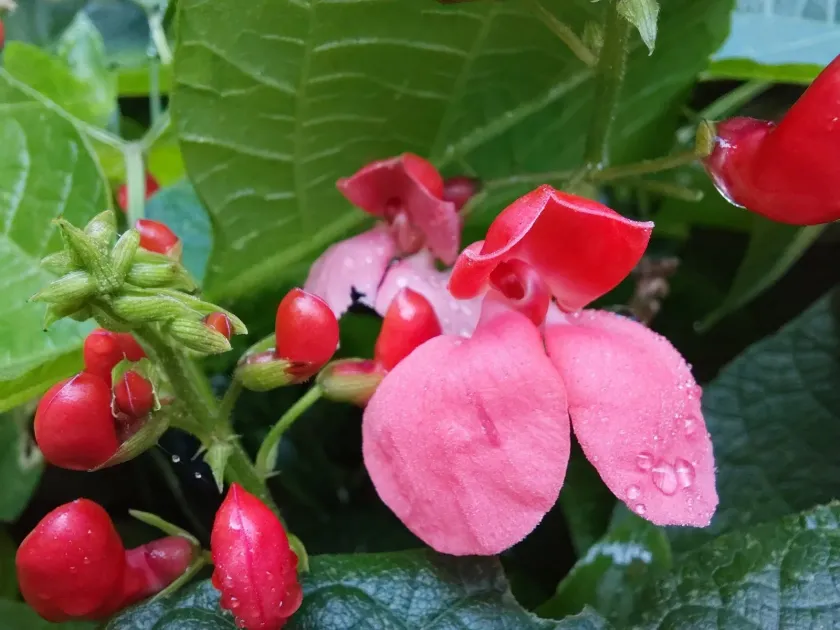
Description
Sowing dates
Scarlet runner beans are sensitive to cold and require the soil to be thoroughly warmed before planting seeds in the open ground.
The ideal time for sowing is late spring, once all danger of frost has passed and night temperatures remain consistently above +10°C.
Seeds should be planted at a depth of 3 to 5 cm, with a spacing of about 20–30 cm between individual plants to ensure proper aeration.
Pre-soaking the seeds for a few hours before planting can significantly increase the germination rate in early spring conditions.
The plants grow rapidly once established, so providing strong supports or a sturdy trellis immediately after sowing is essential for success.
Growing requirements
Belonging to the Fabaceae family, this plant thrives in full sun but can tolerate partial shade in very hot climates.
It prefers fertile, well-draining, moisture-retentive soils with a neutral pH, enriched with well-rotted organic matter.
As a climbing species, scarlet runner beans produce vigorous vines that can reach heights of 3–4 meters, requiring solid vertical support.
Consistent soil moisture is critical; the plant should be watered regularly, especially during the flowering and pod-filling stages.
While the plant is quite robust, excessive nitrogen fertilizer may lead to overly lush foliage at the expense of bean production.
Yield
Scarlet runner beans are prolific producers, continuing to set flowers and pods throughout the summer until the first frost.
The yield can be maximized by harvesting pods regularly while they are still young and tender, which encourages further flowering.
In optimal growing seasons, gardeners can expect a steady supply of beans over several months, making it a very productive crop.
While often grown for its stunning scarlet flowers, the crop provides a substantial harvest of high-protein seeds for culinary use.
Environmental factors, particularly temperature fluctuations, influence the total yield, as extreme heat may cause flower drop.
Main diseases and pests
The most significant pests affecting this crop include aphids and spider mites, which thrive in dry, warm conditions.
Fungal diseases such as rust and anthracnose can damage foliage and pods, especially in humid and poorly ventilated garden areas.
Bean weevils can contaminate stored seeds, making proper post-harvest inspection and storage in airtight containers essential.
Maintaining proper spacing between plants and rotating crops annually helps minimize the incidence of soil-borne pathogens.
Regular monitoring of leaves and prompt removal of infected parts are effective manual strategies for protecting the health of the plant.
Harvesting
Harvesting for fresh pods should begin when the beans are still slender and before the seeds inside have significantly enlarged.
For dried beans, leave the pods on the vine until they turn brown and dry, usually occurring in late autumn before the first frost.
Always pick pods during dry weather to prevent moisture-related rot during the subsequent curing and storage of the beans.
The beans should be shelled and spread out in a dry, shaded area for further curing to ensure they are fully dried before storage.
If growing as a perennial in mild climates, the vines can be cut back to the base after the final harvest is complete.