
Macrolobium acaciifolium
Macrolobium acaciifolium
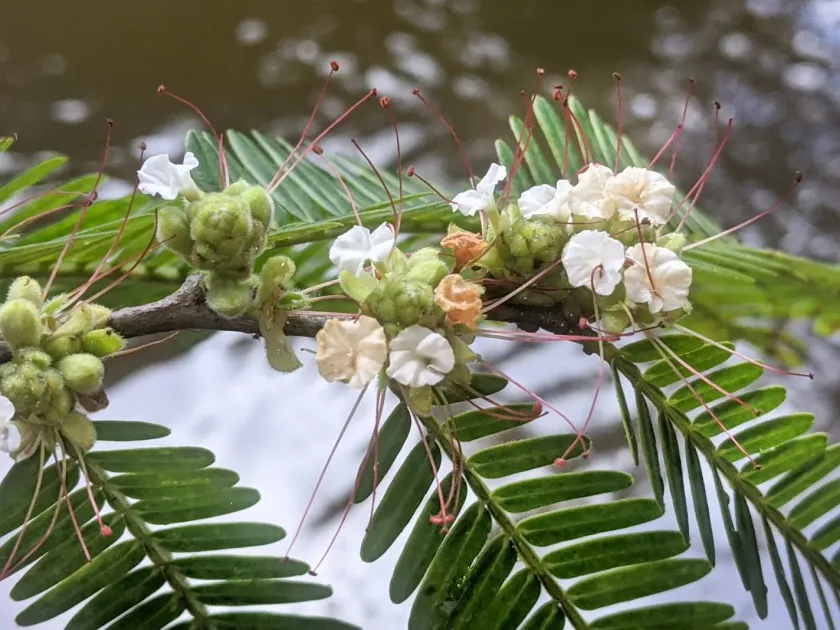
Description
Growing requirements
Macrolobium acaciifolium is a prominent tree species belonging to the legume family (Fabaceae). Native to the Amazon basin, it is a key component of the diverse tropical floodplain forest ecosystems.
This tree is highly specialized for life in the varzea, or periodically flooded forests. It has evolved specific morphological adaptations to survive for extended periods while partially submerged in water.
Optimal growth conditions require a consistent tropical climate with high temperatures and significant rainfall throughout the year. The species is highly sensitive to frost and sudden temperature drops.
It thrives on alluvial soils that are rich in organic nutrients deposited by river floods. The tree is particularly well-adapted to the heavy, anaerobic clay soils found in low-lying river regions.
Agrotechnical management is focused on the conservation of natural hydrologic regimes. Ensuring the protection of these floodplain corridors is essential for the tree's health and natural regeneration.
Harvesting
The primary economic use of Macrolobium acaciifolium is its timber. The wood is appreciated for its durability and resistance, which makes it ideal for local construction, cabinetry, and boat building.
In traditional agricultural practices, the tree serves as a vital component for soil stabilization. Its extensive root system helps to mitigate erosion along riverbanks during intense seasonal flooding.
Ecologically, the tree is a vital contributor to the local food chain. Its seeds and pods serve as an important forage resource for various fish species, playing a crucial role in riverine biodiversity.
Sustainability is a core issue for the utilization of this species. Modern forestry practices emphasize selective logging to prevent the collapse of the fragile aquatic habitats where it grows.
- Construction material for local housing
- Water-resistant timber for marine structures
- Soil erosion control in floodplain areas
- Support for aquatic biodiversity and fish nutrition