
Golden chain tree
Laburnum anagyroides Medik.
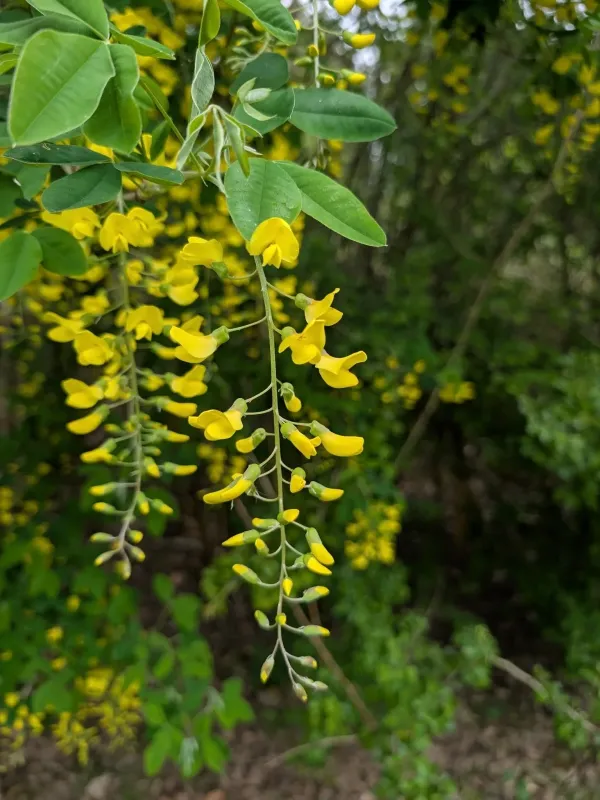
Description
Growing requirements
Laburnum anagyroides, commonly known as the Golden chain tree, is a deciduous shrub or small tree in the Fabaceae family. It is native to Central and Southern Europe, where it flourishes in sunny, temperate mountain environments.
This species thrives in well-drained, fertile soil that contains a good amount of calcium. It is sensitive to waterlogged conditions, which can lead to root rot; therefore, selecting a site with excellent drainage is crucial for plant health.
Sunlight is the primary requirement for successful blooming. The tree requires full sun to partial shade, with full sun being the best option to produce the iconic long, pendulous racemes of yellow flowers in late spring.
In terms of care, it requires minimal pruning, which should be done immediately after flowering to shape the tree. Mulching the root zone helps maintain soil moisture, while protecting young specimens from harsh winter frosts is recommended in colder regions.
Cultivators must recognize the toxic nature of the plant, as all parts, particularly seeds and pods, contain cytisine. Proper placement away from livestock and play areas is a standard management practice.
Main diseases and pests
Aphids are a frequent concern, particularly during the active growth phase in spring. They tend to cluster on the underside of leaves and on flower buds, draining sap and potentially spreading viral infections.
Powdery mildew is a common fungal disease caused by poor air circulation and high humidity. It manifests as a white, powdery coating on foliage, which can be mitigated by ensuring proper plant spacing and airflow.
Leaf spot diseases, caused by various fungi, can occur during wet summers. These pathogens leave brown or black spots on the leaves, leading to chlorosis and early leaf drop if left untreated.
Wood decay fungi may exploit pruning wounds or physical damage to the bark. To prevent this, it is essential to keep tools clean and ensure cuts are clean, avoiding tearing of the plant tissue.
To maintain a healthy specimen, gardeners should apply a routine of integrated pest management, ensuring the tree is not stressed by nutrient deficiencies or severe water shortages, which makes it more susceptible to attack.