
Polynesian chestnut
Inocarpus fagifer (Parkinson) Fosberg
Description
Sowing dates
The propagation of Inocarpus fagifer is primarily achieved through seeds. The seeds are recalcitrant, meaning they lose viability quickly and should be planted immediately after extraction from the fruit.
For best results, seeds are sown in a nutrient-rich, moist medium. The depth of sowing should be roughly 5–7 centimeters to provide stability to the emerging taproot.
Planting is most successful at the onset of the rainy season, which provides the consistent soil moisture necessary for the seedling to establish its root system without stress.
Transplanting is generally discouraged for this species, as it has a deep taproot that is easily damaged. Therefore, direct seeding to the permanent location is preferred.
Seedlings require partial shade during their first year of development to protect them from excessive heat and direct sunlight while they develop sufficient leaf area.
Growing requirements
As a member of the Fabaceae family, the Polynesian chestnut thrives in humid tropical environments. It requires constant temperatures above 20 degrees Celsius to maintain active growth.
The tree has high water requirements and performs optimally in areas with annual rainfall exceeding 2000 mm. It is famously adapted to coastal conditions and can tolerate occasional flooding.
While adaptable, the species prefers deep, well-draining loamy soils. It is capable of growing in a variety of tropical soil types, including slightly saline coastal substrates.
Light intensity is crucial for maximum yield; however, the tree exhibits a high degree of plasticity and can survive in semi-shaded conditions when young.
The tree provides excellent wind protection, making it a valuable component of coastal agroforestry systems, where it helps prevent soil erosion.
Yield
The tree typically begins producing fruit within 7 to 10 years of age. A mature, healthy tree can yield a significant quantity of nuts annually for several decades.
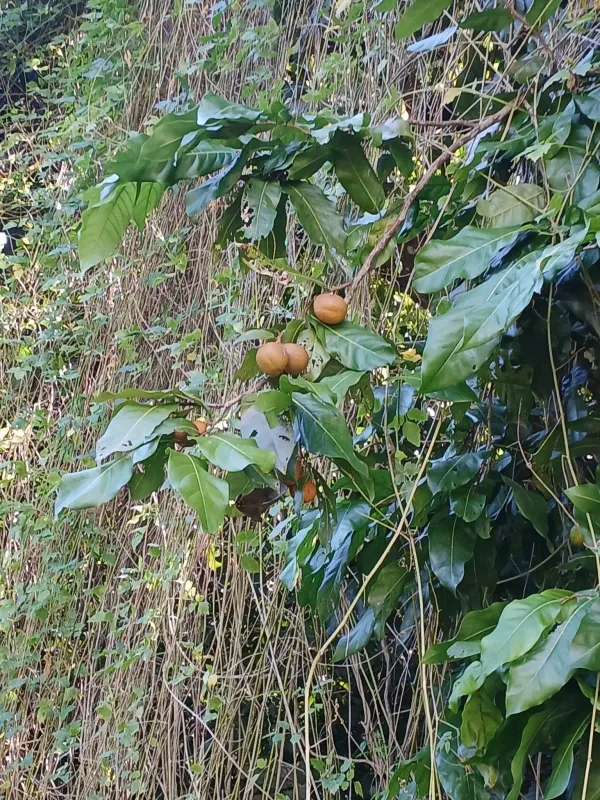
The fruit is a one-seeded drupe that is laterally compressed. The seed is rich in starch and protein, serving as a staple carbohydrate source for many Pacific island communities.
Flowering occurs sporadically throughout the year, meaning harvest may be staggered. Yield efficiency is closely linked to the availability of water during fruit set.
The weight of individual nuts varies, but they remain a reliable food source, especially in subsistence agriculture where diverse cropping systems are utilized.
When integrated into agroforestry plots alongside other species like banana or taro, the Polynesian chestnut contributes to food security by providing a caloric dense crop.
Main diseases and pests
Root rot is the primary physiological threat to the tree, particularly in soils with poor drainage or during prolonged periods of waterlogging in cool weather.
Pests such as seed weevils and various boring insects can impact the quality of the nuts, requiring integrated pest management strategies to mitigate damage.
Mealybugs and aphids often colonize young shoots, potentially causing stunted growth. Monitoring the health of young trees is essential for long-term productivity.
Maintaining a clean orchard floor by removing debris and fallen, decayed fruit helps reduce the incidence of fungal pathogens that thrive in the humid canopy.
Chemical intervention is generally minimized due to the direct consumption of the nuts, emphasizing biological and cultural control methods instead.
Harvesting
Harvesting is mainly manual, involving the collection of fallen mature fruits from the ground or using poles to dislodge ripening nuts from lower branches.
Ripeness is indicated by the transformation of the fruit's skin color from bright green to a characteristic brown or dull tan, indicating the seed is ready for processing.
The seeds must be roasted, boiled, or baked before consumption. They contain naturally occurring compounds that are neutralized through proper heat treatment.
Post-harvest life is limited; the seeds should be consumed or processed shortly after collection to avoid deterioration and fungal growth.
- Collection of mature fruits based on skin color.
- Removal of the fibrous exocarp.
- Sorting by size for consistent cooking times.
- Storage in dry, well-ventilated conditions.