
Holocalyx balansae
Holocalyx balansae
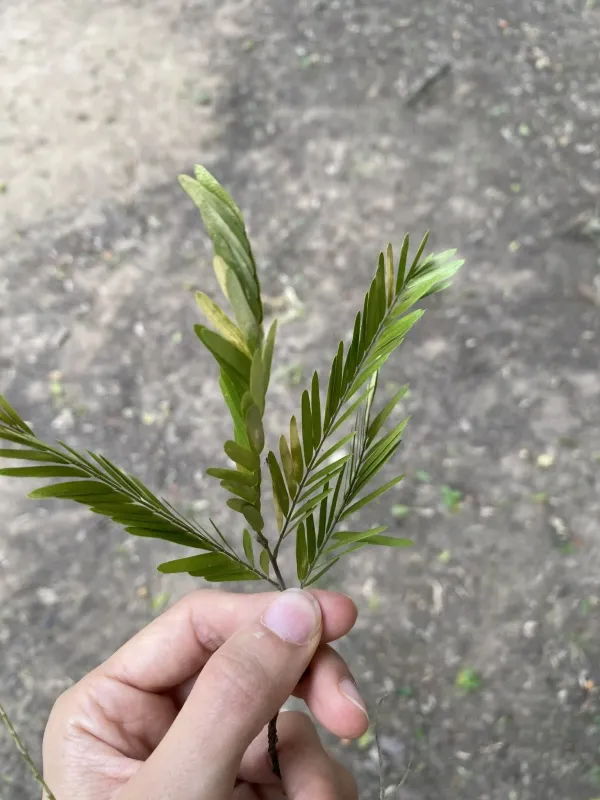
Description
Growing requirements
Holocalyx balansae is a notable tree species belonging to the legume family (Fabaceae). Native to South America, specifically in regions of Argentina, Brazil, and Paraguay, it is a significant element of the subtropical forest ecosystem.
The tree thrives in subtropical environments characterized by moderate to high rainfall. It requires stable temperatures throughout the year to maintain its growth cycles and is susceptible to extreme frost events, which can damage juvenile plants.
Regarding soil conditions, this species prefers deep, nutrient-rich soils with excellent drainage capabilities. Waterlogging is detrimental to its root health, necessitating site selection that ensures adequate aeration for the root system.
Agrotechnical practices for this species focus on site preparation and protection of saplings during the early stages. Ensuring appropriate light conditions is essential, as the species benefits from a balance between open sun and shade during its initial growth phase.
The economic value of Holocalyx balansae is largely attributed to its high-quality wood. Its dense texture and decay resistance make it highly sought after for construction, flooring, and specialized furniture manufacturing.
Main diseases and pests
The primary threat to Holocalyx balansae in its natural habitat is habitat fragmentation due to deforestation. As a result, the species faces risks that threaten its long-term survival in the wild, necessitating conservation efforts.
Pathogens impacting the tree include various fungal species that may emerge in overly damp conditions. Effective management involves monitoring humidity levels and maintaining proper spacing between trees to ensure good airflow.
Insect pests, such as leaf-eating beetles and wood-boring larvae, pose challenges to plantation managers. Integrated pest management strategies are often employed to maintain the health and vigor of the stands without relying solely on chemical treatments.
Anthropogenic pressure continues to affect population density, making the sustainable management of remaining wild stands and the development of new plantations crucial for the future of the species.
To mitigate potential health threats, regular forestry inspections are recommended. Removing infected plant material promptly helps prevent the localized spread of pests and diseases among the cultivated population.