
Falcataria moluccana
Falcataria moluccana (Miq.) Barneby & J. W. Grimes
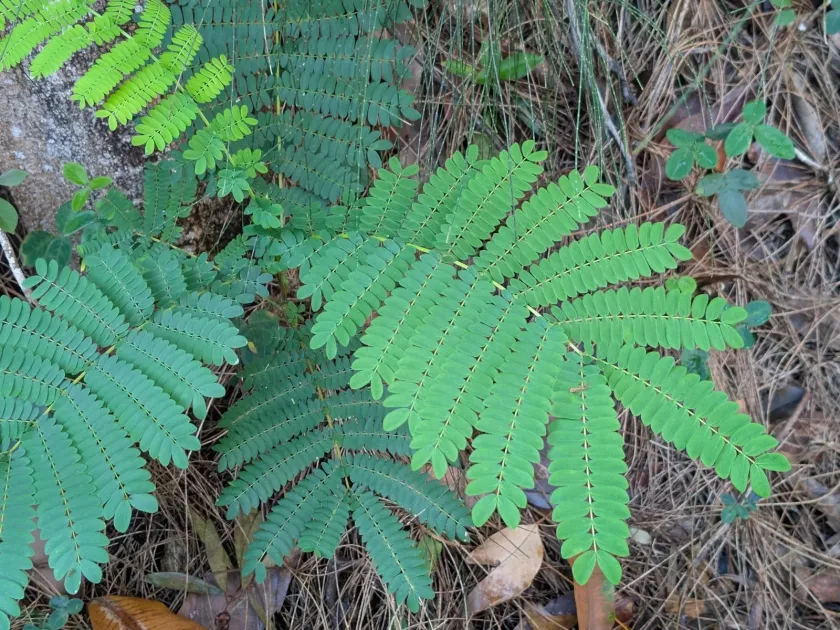
Description
Sowing dates
Falcataria moluccana is a fast-growing tree belonging to the Fabaceae family, renowned for its record-breaking growth rate. Before sowing, the seeds require scarification or hot water treatment to overcome their hard, water-resistant seed coat.
Seedlings are typically raised in nurseries under controlled conditions. Once they reach a height of 30 to 50 centimeters, usually within a few months, they are sturdy enough for transplanting into the field.
The optimal planting time coincides with the start of the rainy season. Adequate moisture at this stage is vital to ensure that the root system establishes firmly in the soil before any potential dry spells.
Planting density is generally set between 600 and 1,000 trees per hectare, depending on the intended timber product. High-density planting promotes faster vertical growth as trees compete for sunlight.
Early-stage weed management is crucial for the success of a plantation. Since the saplings are sensitive to competition for resources and shading, regular clearing of competing vegetation is essential during the first year.
Growing requirements
This species is highly heliophilic, meaning it requires full, direct exposure to sunlight to thrive. It is not suitable for underplanting or areas with significant shade, as light deprivation severely stunts its growth.
The ideal soil for Falcataria is deep, fertile, and well-drained. While it demonstrates adaptability to various soil types, it performs best in neutral to slightly acidic loamy soils that allow for good root penetration.
Consistent rainfall is a major requirement for this species. It is susceptible to water stress during prolonged droughts, which can lead to increased vulnerability to pests and significantly slower growth rates.
Due to its brittle wood and shallow root architecture, the tree is prone to windthrow. Planting locations should avoid exposed hilltops or regions prone to frequent cyclonic winds to protect the plantation integrity.
As a nitrogen-fixing legume, Falcataria significantly improves soil health. Its ability to create symbiotic relationships with nitrogen-fixing bacteria helps enrich the soil with nutrients, which benefits the entire ecosystem.
Yield
Falcataria moluccana is recognized as one of the most productive timber species in tropical regions. It can reach heights of up to 15–20 meters within the first 5 years, providing an immense volume of biomass in a short period.
Commercial harvest cycles are exceptionally short, often ranging from 8 to 10 years. This rapid turnover makes it an economically attractive choice for investors focused on sustainable timber and pulpwood production.
The timber is lightweight, soft, and easy to work with, making it highly desirable for producing light construction materials, plywood, and packaging boxes. It is also a significant source of raw material for the paper industry.
Beyond wood production, the species is an excellent choice for land reclamation. Its quick canopy formation and high leaf litter production make it an ideal tree for restoring degraded and eroded lands.
In agroforestry systems, the tree acts as an effective shade provider for crops like cocoa and coffee. Its ability to fix nitrogen also serves as a natural fertilizer for the crops growing beneath its canopy.
Main diseases and pests
The most devastating threat to plantations is the gall rust fungus, Uromycladium falcatarium. This pathogen attacks the leaves and stems, causing distinct galls that prevent normal growth and can lead to the death of the tree.
Stem borers and other wood-boring insects can inflict significant damage on mature trees. Their tunnels weaken the stem structure, causing trees to snap easily during strong winds and degrading the wood's commercial value.
Windthrow is a recurring risk due to the tree's rapid growth and shallow roots. In regions frequently hit by typhoons, entire plantations can be flattened, leading to significant financial losses for the grower.
Large-scale monoculture increases the risk of spreading pathogens. Implementing a mosaic planting pattern or mixing with other species can help reduce the prevalence of diseases and improve the overall resilience of the plantation.
Small mammals and livestock can damage young seedlings by stripping the bark. Installing protective fencing around new plantation sites is standard practice to prevent animal-related losses during the initial growth years.
Harvesting
Harvesting is usually done through clear-felling once the plantation reaches the 8 to 10-year maturity mark. This strategy optimizes the use of land for future replanting cycles and ensures uniform timber quality.
Logging requires careful execution due to the wood's inherent fragility. Modern forestry equipment is recommended to ensure precise cutting and minimal damage to the site, allowing for easier post-harvest cleanup.
Once harvested, the logs must be processed quickly. The timber is prone to decay and fungal staining if left on the forest floor, especially in high-humidity tropical climates where wood-rot fungi thrive.
Depending on the management goals, the root system is either extracted to prepare the soil for new crops or left in the ground to stabilize the soil and gradually decay, contributing organic matter to the substrate.
Logistics for harvest transport should be pre-planned to ensure a steady supply chain to mills. Given the large harvest volumes in short periods, efficient road access is critical to moving the biomass to processing facilities.