
Royal Poinciana
Delonix regia (Bojer ex Hook.) Raf.
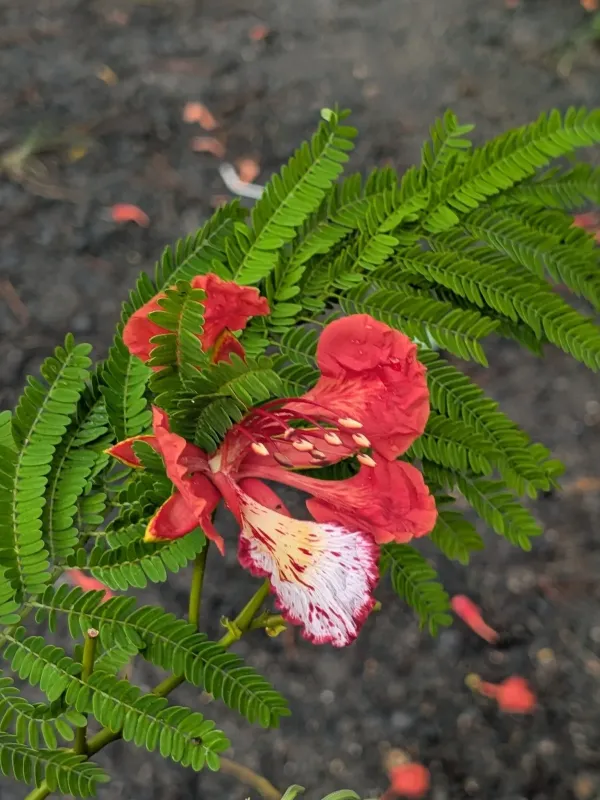
Description
Sowing dates
Propagating the Royal Poinciana through seeds requires scarification of the hard seed coat to ensure proper moisture absorption. Soaking seeds in warm water for 24 hours is a standard practice before planting them in a well-draining potting mix.
The best time for sowing is during the warm spring months when increased day length promotes germination. Providing a consistent temperature range of +25°C to +28°C is crucial for successful development of seedlings.
Germination typically occurs within two to four weeks. Using deep containers is recommended, as the tree develops a significant taproot that requires sufficient space to grow without being cramped.
Seedlings should be repotted once they develop several sets of true leaves. Care must be taken during transplantation to avoid disturbing the root system, which is sensitive and essential for the tree's stability.
For gardeners in temperate climates, seeds are often started indoors under grow lights. This allows the plants to establish a strong root system before they can be moved outdoors in the heat of the summer.
Growing requirements
Royal Poinciana, a member of the Fabaceae family, is renowned for its spectacular crimson blossoms. Originally native to Madagascar, it thrives in tropical environments that offer high heat and consistent sunshine.
This tree requires full sun exposure to flourish and produce its signature flowers. In areas with inadequate light, the canopy becomes sparse, and the tree may fail to bloom, losing its primary ornamental value.
Well-drained, fertile, and slightly acidic soil is ideal for planting. While the mature tree shows tolerance to occasional dry spells, regular watering is needed during the active growing season to support its vigorous growth.
Pruning is essential for maintaining the shape of the canopy, especially in garden settings. Removing dead or crossing branches helps increase airflow within the crown and reduces the risk of fungal infections.
Protection from strong winds is necessary, as the large, feathery compound leaves are prone to mechanical damage. In non-tropical regions, it must be kept in pots and moved indoors to protected areas before autumn frosts.
Main diseases and pests
The tree can be affected by pests such as spider mites and scale insects, particularly when grown in dry indoor conditions. Regular inspection and wiping of the foliage can prevent major infestations.
Root rot is the most common threat, primarily caused by overwatering or poorly draining soil. To mitigate this risk, ensure the potting medium dries out slightly between irrigation cycles throughout the year.
Powdery mildew may appear on the leaves if the tree is kept in a location with poor air circulation or high humidity. Using appropriate fungicides and improving ventilation can effectively manage this issue.
Nutrient deficiencies, specifically nitrogen or iron, can cause yellowing of the leaves. Applying balanced, slow-release fertilizers during the growing season helps maintain the tree's deep green foliage color.
Wounds to the bark or stems can serve as entry points for pathogens. Always use sterilized pruning shears and avoid deep incisions to keep the trunk integrity and prevent long-term health problems.