
Colophospermum mopane
Colophospermum mopane
Description
Sowing dates
Propagation of Colophospermum mopane in its natural habitat occurs primarily through seed dispersal. The maturation of the fruit concludes at the end of the rainy season, providing ideal conditions for germination upon contact with the soil.
The seeds possess high viability, although germination success depends heavily on stable soil moisture levels. In nursery settings, pre-soaking the seeds is a common practice to accelerate the swelling of the seed coat and improve emergence rates.
The optimal time for sowing is at the beginning of the rainy season when soil temperatures are conducive to root development. Ensuring sufficient spacing between seedlings is critical to support the establishment of a robust root system in the early stages.
Young sprouts require protection from intense direct sunlight and competition from invasive grasses. Applying mulch during the planting phase helps maintain moisture in the root zone, significantly increasing survival rates for newly planted trees.
Growth rates are generally moderate, but the species is known for its remarkable ability to recover from environmental stress. Careful site selection and preparation are fundamental to ensuring the long-term success of reforestation efforts.
Growing requirements
Colophospermum mopane is a member of the Fabaceae family and serves as a foundational species within Southern African ecosystems. This tree is exceptionally well-adapted to high-temperature environments and can endure prolonged periods of severe drought.
The species thrives in a variety of soil types, ranging from deep, well-drained soils to heavy clays that may be prone to seasonal waterlogging. Its salt tolerance makes it an excellent candidate for the restoration of degraded or saline landscapes.
Climate requirements for optimal growth involve consistently high annual temperatures. The tree thrives in savanna environments, where it can withstand significant fluctuations in annual rainfall while maintaining its physiological health.
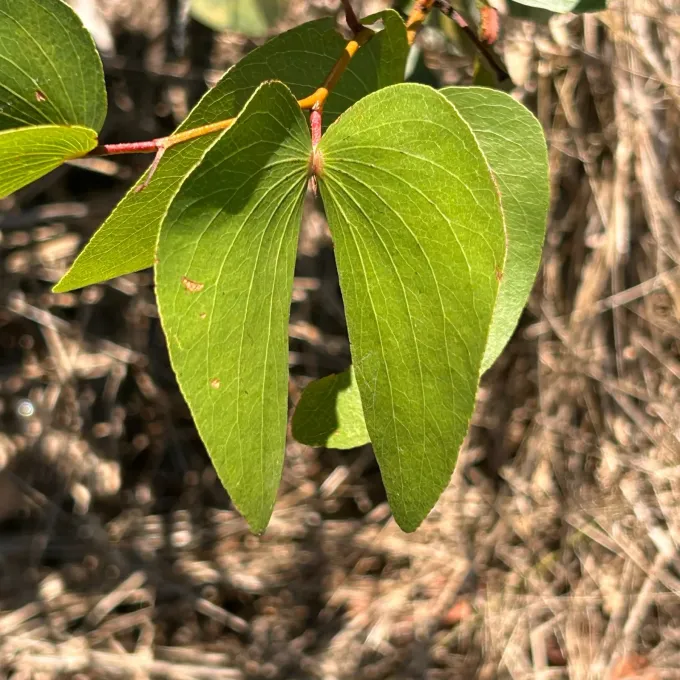
A distinctive botanical feature is the butterfly-shaped leaf, which can fold to reduce the surface area exposed to the sun and decrease moisture loss. This adaptation is a key factor in its survival under extreme heat conditions.
The root system of the mopane tree is deep and extensive, enabling it to access subsoil moisture that is unreachable for many other species. Agronomic management primarily focuses on protecting younger trees from overgrazing and preventing uncontrolled wildfires.
Yield
The economic value of Colophospermum mopane is immense, spanning across both timber production and non-timber forest products. The wood is renowned for its extreme hardness, density, and resistance to termite damage, making it highly prized for construction.
The foliage serves as a crucial nutritional resource for both wild herbivores and domestic livestock, particularly during the dry season when other forage is scarce. The high protein and mineral content make it an essential component of local livestock diets.
The harvesting of mopane larvae, known as mopane worms, is a significant economic activity for local communities, providing a vital source of dietary protein. The productivity of these larvae is closely tied to the health and abundance of the trees.
Timber from this tree is frequently used to produce high-quality charcoal and building materials, such as fencing posts and support structures. Additionally, essential oils extracted from the leaves are utilized in the fragrance and pharmaceutical industries.
As a nitrogen-fixing species, Colophospermum mopane contributes to the enrichment of soil fertility in agroforestry systems. Integrated resource management ensures that the harvest remains sustainable for local populations while preserving the ecosystem.
Main diseases and pests
The primary threat to young mopane stands is browsing by herbivores, which can damage bark and foliage, hindering growth. Implementing protective measures such as fencing or guarding is essential to ensure the survival of young trees during their development.
Specific insect pests, such as certain species of caterpillars, can cause massive defoliation, which places the tree under temporary physiological stress. While the tree can regenerate, frequent outbreaks reduce overall productivity and long-term health.
Fungal infections of the trunk can occur if the bark is mechanically damaged, creating entry points for pathogens. Careful handling and controlled harvesting techniques are necessary to prevent the development of decay and heart rot in mature trees.
Wildfires represent a significant risk, particularly for young trees that have not yet developed a thick, protective bark layer. Establishing firebreaks and fire-management protocols is mandatory for the protection of large-scale plantations.
Anthropogenic factors, including illegal logging and over-extraction of resources, threaten the stability of natural mopane populations. Sustainable forest management practices are critical for maintaining the biodiversity and resource base of these unique ecosystems.