
Chamaecrista chamaecristoides
Chamaecrista chamaecristoides
Description
Growing requirements
Chamaecrista chamaecristoides is a robust species within the Fabaceae family, native to the arid and semi-arid regions of Mexico. This legume is highly regarded for its ability to thrive in challenging environments where soil moisture and nutrient levels are typically insufficient for conventional crops.
The plant demonstrates a strong preference for well-drained, sandy, or rocky soils. Its root architecture is specifically adapted to explore deep soil layers, allowing the plant to secure water and stabilize the substrate, effectively preventing soil erosion in degraded landscapes.
Regarding climatic requirements, this crop exhibits exceptional heat and drought tolerance. It is well-suited for regions with significant seasonal precipitation deficits, functioning as a sustainable cover crop that maintains ground cover even under intense solar radiation.
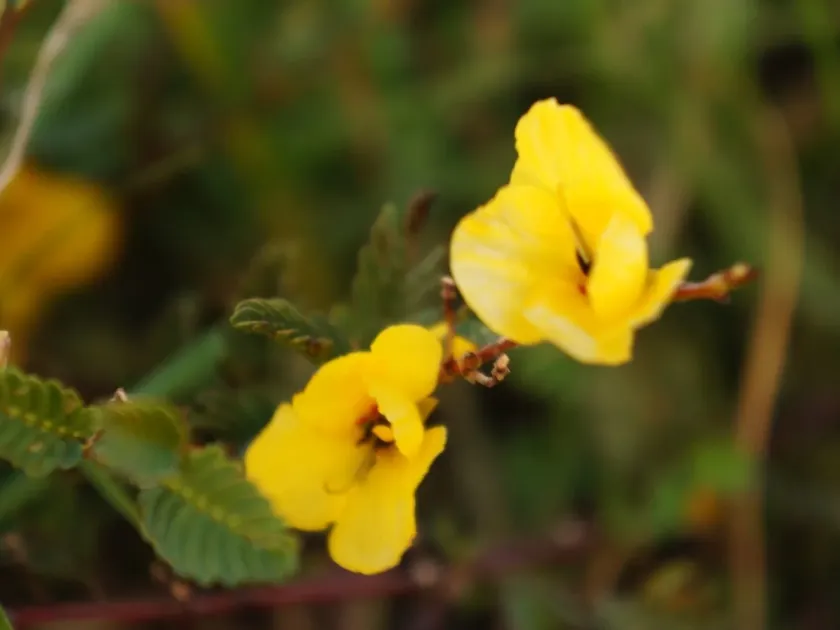
Botanically, the plant features characteristic compound leaves and yellow flowers, which are indicative of its taxonomic group. Its ability to form symbiotic relationships with nitrogen-fixing bacteria is a key trait, significantly enhancing the fertility of the surrounding soil environment.
In terms of agricultural utility, Chamaecrista chamaecristoides is primarily utilized for soil conservation and land reclamation projects. It serves as a valuable forage resource in arid grazing systems, providing essential protein content to livestock where other traditional forage grasses might fail to survive.