
Cedrelinga
Cedrelinga cateniformis
Description
Sowing dates
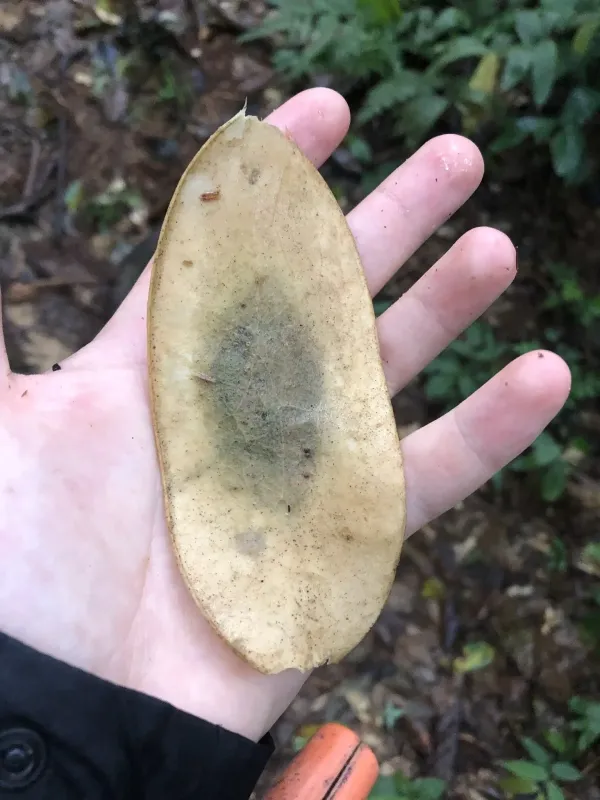
Cedrelinga cateniformis, commercially known as torno, is a prominent member of the Fabaceae family. It is widely recognized as a fast-growing species essential for tropical reforestation.
The propagation process begins in nurseries. Seeds require mechanical scarification to break dormancy and ensure consistent germination rates across the seedbed.
Transplanting to the final site should ideally coincide with the onset of the rainy season to provide the necessary moisture for the initial root establishment.
For timber production, a spacing of 4 to 5 meters between individual trees is recommended to facilitate proper stem growth and prevent excessive branching.
Young seedlings require careful shade management during their first months; they are sensitive to harsh sunlight until their root systems are fully functional in the soil.
Growing requirements
This species thrives in tropical climates where temperatures remain consistently between 22 and 30 degrees Celsius throughout the year without frost risks.
Torno requires deep, fertile, and well-drained soils. It does not tolerate waterlogged conditions, which significantly impede growth and lead to root asphyxiation.
Adequate annual rainfall is crucial for sustained development. While established trees can endure short dry spells, they prefer consistent moisture to maintain their rapid growth pace.
Cedrelinga is a light-demanding species. To achieve optimal height and diameter, trees must be planted in areas with full exposure to direct sunlight, away from existing canopy cover.
Ongoing maintenance involves active weed control around the base of the tree. Clearing the area minimizes competition for nutrients, which is vital during the first few years of growth.
Yield
The primary yield of Cedrelinga is its high-quality timber. It is renowned for its durability, workability, and attractive grain, making it highly valuable in the global furniture market.
The growth rate of this tree is exceptional, often allowing for harvesting cycles of approximately 20 to 25 years, depending on site quality and management practices.
Beyond wood production, the tree provides ecological benefits by improving soil nitrogen levels, thanks to its nitrogen-fixing properties as a legume species.
The timber is widely used for interior joinery, carpentry, and light construction, favored for its lightness combined with significant structural stability.
Yield monitoring is essential for sustainable forestry. Regular measurements of stem diameter help in planning thinning schedules to maximize the quality of the final harvest.
Main diseases and pests
Stem-boring insects are the most significant pest threat to this culture. They can tunnel into the trunk, compromising the structural integrity and value of the timber.
Root rot, caused by various fungal pathogens, poses a major risk, particularly on poorly drained sites where moisture accumulates around the base of the tree.
Defoliating insects can periodically infest the foliage, reducing the photosynthetic capacity of the trees and causing a temporary drop in growth rates during the season.
Proactive management includes sanitary thinning, where infected or severely damaged trees are removed promptly to prevent the spread of pests and disease within the plantation.
Preventing mechanical damage to the bark is critical, as open wounds provide entry points for pathogens and wood-rotting fungi, which can be difficult to manage once established.