
Caesalpinia decapetala
Caesalpinia decapetala (Roth) Alston
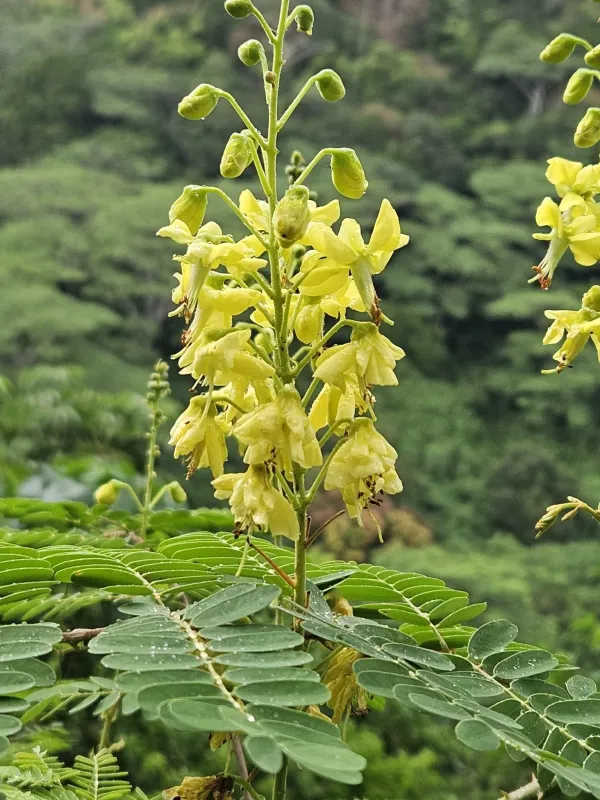
Description
Sowing dates
Caesalpinia decapetala seeds possess a hard seed coat that requires scarification or soaking in warm water for 24 hours to ensure successful and uniform germination.
Sowing should take place in early spring after the danger of frost has passed, placing seeds at a depth of 2–3 centimeters in well-draining soil.
Using individual containers for initial propagation is highly recommended, as the plant is sensitive to root disturbance during transplanting from nursery beds.
Germination typically occurs within two to four weeks provided that the soil temperature remains between 20 and 25 degrees Celsius during the early stages.
Once seedlings have developed their first true leaves, they should be hardened off to adapt to outdoor conditions before being planted in their permanent location.
Growing requirements
As a member of the Fabaceae family, Caesalpinia decapetala is a robust, semi-evergreen shrub that thrives in a variety of tropical and subtropical environments.
The species requires full sun exposure for optimal growth; partial shade may lead to stunted development and a significant reduction in flower production.
Soil requirements are relatively flexible, though the plant performs best in loam or sandy soils that offer excellent drainage to prevent root rot.
Established plants are remarkably drought-tolerant, although regular irrigation during the growing season will promote faster growth and denser foliage.
The shrub is well-adapted to warm climates and can tolerate minor temperature dips, though prolonged frost may cause dieback of the tender upper branches.
Yield
The primary agricultural utility of this crop lies in its function as a living, impenetrable hedge, providing effective security for livestock and crop fields.
The plant produces significant biomass, which can be managed to protect slopes from erosion due to its extensive and vigorous root structure.
While the plant produces many seeds, its economic value is predominantly focused on its role in land management and physical site protection rather than fodder.
Maintenance, including regular pruning, is necessary to keep the hedge within defined boundaries and to ensure it remains a tight, protective barrier.
In some regions, the plant is valued for its rapid growth rate, allowing it to establish a functional fence line within a relatively short period.
Main diseases and pests
Caesalpinia decapetala is generally resistant to most common agricultural pests, thanks to the natural chemical compounds found in its tissues.
However, under conditions of poor air circulation and high humidity, plants may be susceptible to powdery mildew, which affects the surface of the leaves.
Aphid infestations can occur on young, tender growth, potentially causing minor leaf curling, though these are rarely fatal to healthy, established shrubs.
Root rot caused by waterlogging is a primary concern, emphasizing the need for proper site selection and effective soil drainage systems.
Sanitation practices, such as the removal of dead or diseased wood, are effective in preventing the spread of fungal pathogens throughout the hedge.
Harvesting
Seed pods are ready for harvesting when they turn dark brown, dry out, and begin to rattle, indicating the seeds have reached physiological maturity.
Extreme caution and protective gear are essential during harvesting, as the plant is armed with sharp, curved thorns that can cause significant injury.
After collection, the pods should be dried in a well-ventilated area, followed by threshing to extract the seeds from their husks for long-term storage.
Stored seeds remain viable for several years if kept in a cool, dry environment, preferably in breathable containers that prevent moisture accumulation.
It is important to dispose of leftover harvest debris carefully to avoid potential seedling growth in areas where the plant is not desired.