
Baptisia hybrids
Baptisia hybrids
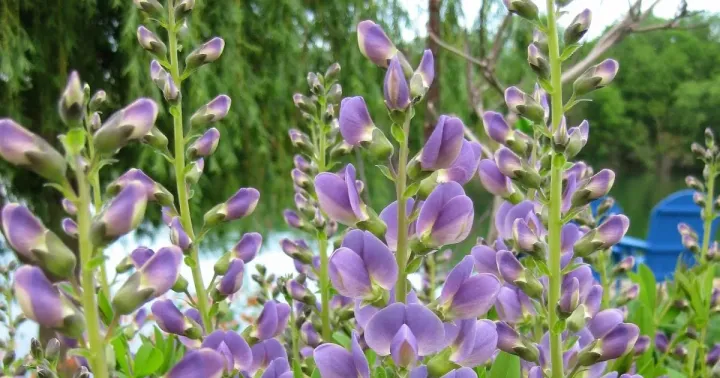
Description
Sowing dates
Baptisia hybrids are typically propagated by seeds, which require scarification to break through their hard outer coat. Soaking seeds in warm water for 24 hours prior to sowing significantly improves germination rates.
Sowing in open ground should be timed for early spring, once the soil has warmed up. Seeds should be planted at a depth of 1–2 centimeters, ensuring the soil remains consistently moist until the seedlings emerge.
When starting indoors, deep containers are mandatory to accommodate the rapidly developing taproot. The plant is notoriously sensitive to disturbance, so using biodegradable pots that can be planted directly into the ground is recommended.
Transplanting is a critical stage; it must be done with extreme care to keep the root ball intact. Once established in a permanent location, these plants should not be moved, as they resent root interference and take years to recover.
Spacing is essential for long-term health, with 60–90 centimeters between plants being ideal. As the plant matures, it creates a large, bushy structure that requires ample space to flourish in the garden landscape.
Growing requirements
Baptisia hybrids belong to the Fabaceae family and are known for their exceptional resilience. Originating from North American prairie habitats, they have evolved to thrive in challenging environments with fluctuating climates.
These plants prefer full sun exposure to produce the best flower display and maintain a sturdy, upright habit. While they can tolerate partial shade, insufficient light often results in floppiness that necessitates staking.
They are highly adaptable to various soil types but perform best in deep, well-draining loams. Their deep root system makes them highly drought-tolerant once established, reducing the need for supplemental irrigation in most regions.
Over-watering is the most common mistake in Baptisia cultivation. They thrive on neglect regarding moisture, as waterlogged soil during the dormant season or excessive rainfall can quickly trigger root rot.
As nitrogen-fixing legumes, these plants enrich the soil rather than depleting it. They require very little fertilizer, and a light application of compost in the spring is usually more than enough to support their vigorous growth.
Main diseases and pests
Baptisia hybrids are generally robust and suffer from few pest or disease issues. Most problems are directly related to poor drainage or overcrowded conditions that prevent proper air circulation around the foliage.
Powdery mildew can appear during late summer if the humidity is high and the plants are crowded. Removing affected foliage and ensuring adequate space between plants are effective strategies for prevention and control.
Root rot is the primary physiological threat to the species, particularly in heavy clay soils. Ensuring proper soil preparation with grit or organic matter for drainage is the most effective way to avoid this fatal condition.
Insects like weevils may occasionally feed on leaves or flower buds. While cosmetic damage can occur, it rarely threatens the overall vitality of the plant, and manual removal is often sufficient for minor infestations.
By focusing on proper site selection—specifically choosing high-sun, well-draining areas—gardeners can successfully avoid almost all common health issues associated with this durable and reliable perennial.