
Cabbage bark tree
Andira inermis (W. Wright) Kunth ex DC.
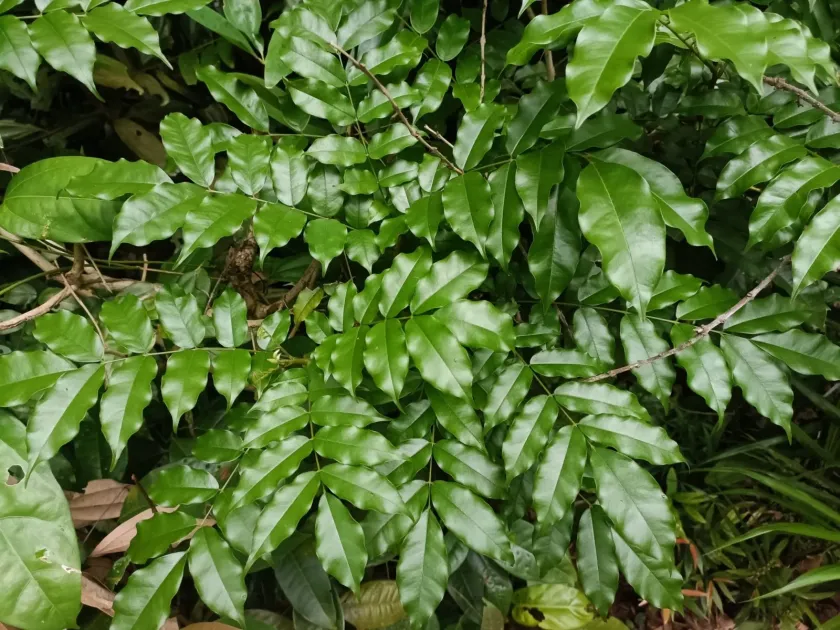
Description
Growing requirements
The Cabbage bark tree (Andira inermis) is a prominent member of the Fabaceae family, recognized for its substantial growth and durable timber. It is an essential component of tropical ecosystems across the Americas.
This species is native to regions ranging from southern Mexico to northern South America and the Caribbean. It thrives in humid tropical climates where annual rainfall is distributed throughout the year.
Successful cultivation requires warm, consistent temperatures and well-drained soils rich in nutrients. While it can tolerate various soil textures, the tree performs best in environments that mimic its natural forest habitat.
Agronomic management focuses on early stage maintenance, including shading and irrigation to establish strong root systems. Once established, the species shows remarkable resilience to environmental fluctuations.
The primary economic value lies in its hardwood, which is valued for its density and resistance to decay, making it suitable for high-end construction and furniture production. Additionally, it plays a role in medicinal research.
Main diseases and pests
Major threats to the Cabbage bark tree include wood-decay fungi that exploit physical wounds in the bark. Insect pests, particularly wood-boring beetles, can undermine tree health if not monitored during the growth phase.