
Andira fraxinifolia
Andira fraxinifolia
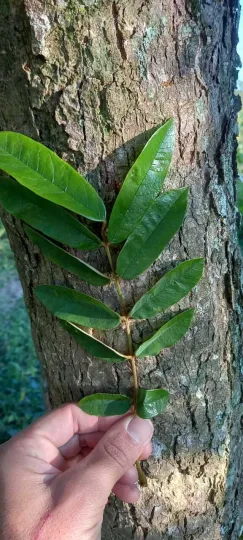
Description
Growing requirements
Andira fraxinifolia, belonging to the Fabaceae family, is a notable tree species native to the Atlantic forest regions of Brazil. It is widely recognized for its robust growth and ecological significance within tropical landscapes.
The tree thrives in tropical climates characterized by warm temperatures ranging from 20°C to 30°C. It requires full sun exposure to achieve its maximum growth potential, though young specimens can tolerate partial shade.
Well-drained soils are essential for the survival of Andira fraxinifolia. It prefers sandy or loamy textures that allow for good aeration, as root health is critical to preventing physiological disorders during the rainy season.
Water requirements should be managed carefully, ensuring consistent moisture without creating stagnant conditions. The species is moderately drought-tolerant once established, but regular irrigation supports faster development.
Its primary uses include timber production, where the wood is prized for its durability and strength. Additionally, it serves as a valuable component in reforestation efforts due to its ability to fix nitrogen through its symbiotic root systems.
Main diseases and pests
The most common threats to Andira fraxinifolia include fungal pathogens such as leaf spot diseases, which typically emerge in high-humidity conditions. Proper ventilation within the plantation layout is the primary defense strategy.
Wood-boring insects are significant pests that target the trunks of mature trees. Regular monitoring is necessary to detect entry holes early and prevent structural damage that could compromise the wood quality.
Nematode infestations in the root zone can stunt the growth of young trees in nursery settings. Using sterilized potting media and avoiding over-application of water helps to minimize these subterranean risks.
Mechanical injuries during pruning or maintenance can leave the tree susceptible to secondary bacterial infections. Always treat pruning wounds with suitable sealants to maintain plant integrity and health.
Implementing an integrated pest management (IPM) program is recommended for large-scale cultivation. This includes attracting natural predators of common pests to ensure a healthy balance within the ecosystem.