
Mercurialis ovata
Mercurialis ovata
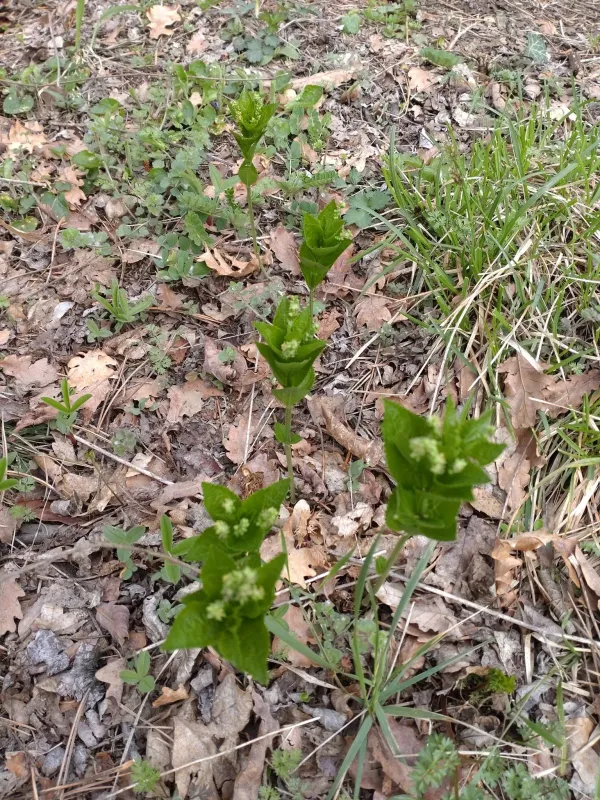
Description
Growing requirements
Mercurialis ovata, commonly known as a type of annual or perennial mercury, is a member of the Euphorbiaceae family. It is a distinct botanical entity characterized by its ovate leaves and herbaceous structure, typically found in temperate forest understories.
The plant originates from the Eurasian continent and thrives in habitats that provide moderate temperatures and protection from direct sunlight. It is specifically adapted to the ecological niches offered by broad-leaved forests.
Soil requirements for this species are focused on fertility and moisture retention. A rich, humic, and well-drained substrate provides the optimal conditions for vigorous vegetative growth and rhizome development.
Climate adaptation is a key feature of this plant. It prefers cool, temperate conditions and is less tolerant of extreme heat, which can cause significant stress to the foliage and affect its overall metabolic processes.
Agrotechnical management in an agricultural setting involves maintaining consistent soil moisture and ensuring that soil pH remains near neutral. Careful site selection is critical for avoiding stagnant water conditions.
Main diseases and pests
The primary threats to Mercurialis ovata involve fungal pathogens, particularly root rot, which may occur if the plant is grown in dense, poorly drained, or waterlogged soils.
Insect pests such as aphids and leaf-chewing beetles can occasionally cause damage to the leaves during the peak of the growing season, necessitating close observation during spring.
Cultural control measures include adequate plant spacing, which ensures proper ventilation and helps mitigate the risk of fungal proliferation between adjacent specimens.
Due to the specific chemical compounds within the plant, it has a degree of natural pest resistance, though it is not completely immune to generalist herbivorous insects.
Integrated pest management strategies are recommended, focusing on maintaining soil health and using organic treatments to support the plant's natural defense systems.