
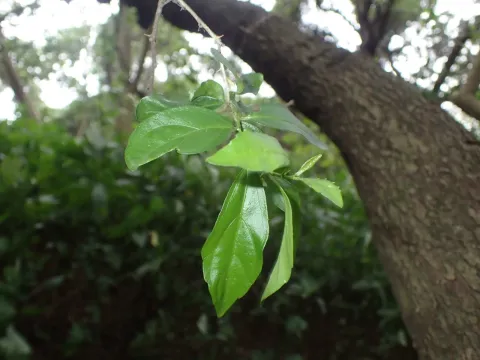
Erythrococca
Erythrococca
Erythrococca is a genus of flowering plants belonging to the diverse Euphorbiaceae family. These shrubs and small trees are native primarily to tropical Africa, inhabiting forested areas and shrublands. Due to their specific climatic origins, they are cultivated globally in controlled environments such as conservatories, greenhouses, or as indoor ornamental plants, as they cannot survive freezing winter temperatures.
What the section contains

Erythrococca
The successful cultivation of Erythrococca requires well-drained, nutrient-rich soil that mimics the forest floor composition. The optimal pH range is slightly acidic to neutral. Furthermore, these plants demand a high humidity environment and stable warmth, ideally between 20°C and 28°C. Providing consistent light levels, avoiding intense direct sunlight, is essential to prevent leaf scorch and maintain healthy foliage development.
Botanically, the genus is characterized by its simple, alternate leaves and small, often unisexual flowers. These inflorescences are distinct in their arrangement, sometimes appearing on the older stems or branches. The plant structure is generally robust, and species within the genus are adapted to exploit specific light niches in their native tropical habitats, making them resilient under greenhouse conditions.
The economic value of Erythrococca is primarily ornamental, serving as a decorative specimen in botanical gardens and interior spaces. Its unique architecture and evergreen nature make it a preferred choice for collectors of exotic plants. Regular management includes pruning to maintain size and shape, as well as periodic repotting to provide fresh substrate and space for root expansion in containerized settings.
Propagation is primarily achieved through stem cuttings, which are treated with rooting hormones and maintained in high-humidity propagation chambers. Seeds are also viable but require specific moisture and heat cycles to achieve successful germination. A standard agricultural approach involves a steady supply of micronutrients and a balanced NPK fertilizer during the active growing season to ensure vigorous plant development.
Common pests affecting Erythrococca in indoor or greenhouse settings include spider mites and mealybugs. These infestations can compromise the plant's aesthetic and vitality if left untreated. Additionally, improper watering practices often lead to fungal infections, particularly root rot, which is the most significant threat to plant longevity. Maintaining good air circulation and monitoring the soil moisture content remain the best preventative strategies for overall plant health.