
Endospermum diadenum
Endospermum diadenum
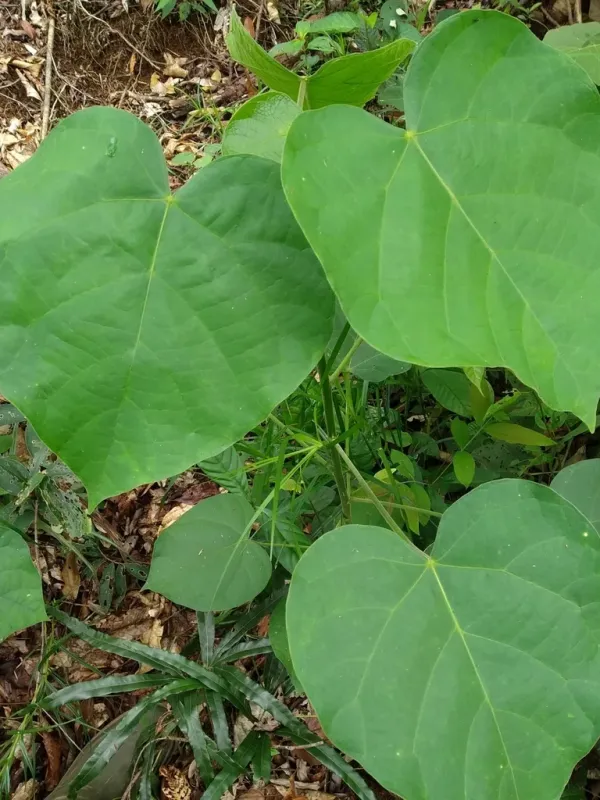
Description
Growing requirements
Endospermum diadenum is a fast-growing, large tropical tree species belonging to the Euphorbiaceae family. Renowned for its rapid growth rate, it is frequently utilized in tropical reforestation efforts and timber plantations throughout Southeast Asia.
The species is native to tropical lowland forests, extending its range across Malaysia, Indonesia, and parts of the Philippines. It thrives in secondary forests and is characterized by its ability to colonize disturbed areas where canopy openings provide ample sunlight.
Climate requirements include consistently high temperatures and abundant annual rainfall. As a light-demanding species, it prefers sites that receive significant solar radiation, which facilitates its characteristically swift accumulation of wood biomass.
Soil preferences are for deep, well-drained alluvial substrates. While it shows some plasticity regarding soil type, optimal performance is strictly linked to proper drainage, as the species is sensitive to waterlogged conditions that can inhibit root development.
The wood produced by Endospermum diadenum is light-colored, soft, and easy to machine. It is commercially prized for manufacturing plywood, matchsticks, indoor furniture components, and various types of lightweight crating and construction materials.
Main diseases and pests
The tree is susceptible to several fungal diseases, particularly those affecting the root system. Root rot is a primary concern in plantation settings if the drainage systems are not strictly managed or if the area is prone to water stagnation.
Foliar pathogens, including various leaf spot fungi, can impair photosynthetic capacity, particularly in seedlings and young saplings under high-humidity conditions. This can result in growth retardation and decreased overall health of the plantation stock.
Stem borers pose a significant threat to timber quality by creating galleries inside the trunk. These tunnels not only ruin the commercial value of the timber but also facilitate secondary infections by opportunistic pathogens.
Termites can be highly destructive to juvenile trees in nurseries and young stands. Effective management requires rigorous field monitoring and the removal of infested debris to minimize the risk of colony expansion within the plantation area.
Sustainable pest management for Endospermum diadenum relies on silvicultural practices such as maintaining optimal planting densities and ensuring proper nutrient balance. Selecting genetically resilient strains is also a key strategy in mitigating losses to local pests and diseases.