
Euphorbia abdelkuri
Euphorbia abdelkuri
Description
Growing requirements
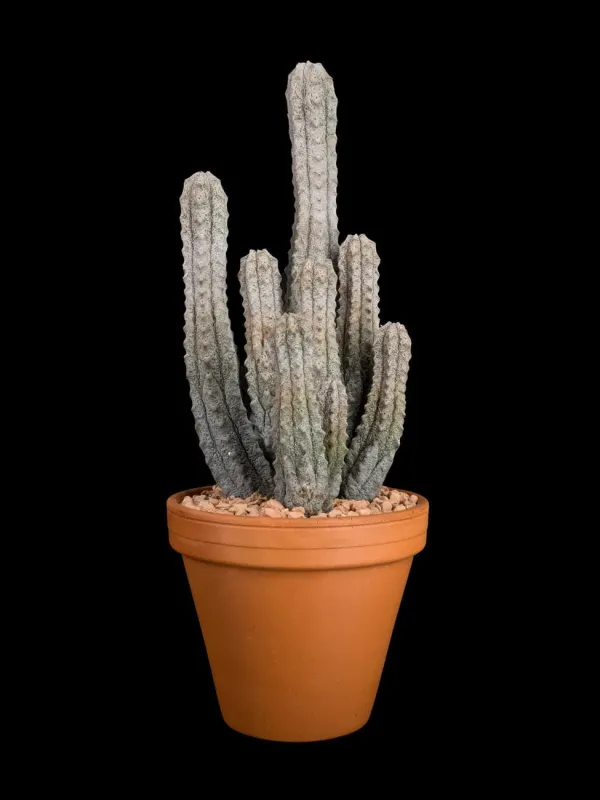
Euphorbia abdelkuri is a rare, slow-growing succulent belonging to the Euphorbiaceae family, native to the island of Abd al Kuri in the Socotra archipelago. It is highly valued by collectors for its unusual, column-like, fleshy stems that lack visible leaves.
The plant thrives in intense light conditions, characteristic of its native desert habitat. When kept indoors, it should be placed in the brightest spot possible, preferably near a south-facing window, ensuring protection from scorching midday sun if necessary.
Environmental temperatures should remain consistently warm, ideally between 20°C and 30°C. It is imperative to protect the plant from cold drafts and temperatures dropping below 15°C, as the plant is extremely susceptible to cold-induced damage.
Proper drainage is the most critical aspect of soil preparation. A standard cactus mix is often improved by adding extra pumice, perlite, or grit to ensure that water drains away from the roots instantly, mimicking the arid soils of its home range.
Irrigation must be sparse. Even during the growing season, wait for the soil to become completely dry throughout the pot before providing a small amount of water. During the winter dormancy period, water should be restricted significantly to prevent root rot.
Main diseases and pests
The primary threat to Euphorbia abdelkuri is fungal rot, specifically root and stem rot. These conditions are almost always triggered by overwatering or poor ventilation in the growing environment.
Pests such as mealybugs and spider mites can occasionally affect the plant. These should be managed using appropriate systemic insecticides or targeted applications of neem oil, taking care not to damage the delicate stem surface.
The plant produces a milky latex that is toxic to humans and pets. Always wear gloves when pruning or handling the plant, and avoid touching your eyes or mouth, as the sap can cause severe irritation or dermatitis.
Regular monitoring of the stem's firmness is essential. Any localized softness, discoloration, or darkening of the tissue indicates the start of a rot problem, which may require emergency repotting or surgical excision.
Maintaining high hygiene standards in the greenhouse, such as sterilizing tools before use and ensuring adequate spacing between plants, significantly reduces the risk of pest infestations and fungal transmission.