
Erythrococca oleracea
Erythrococca oleracea
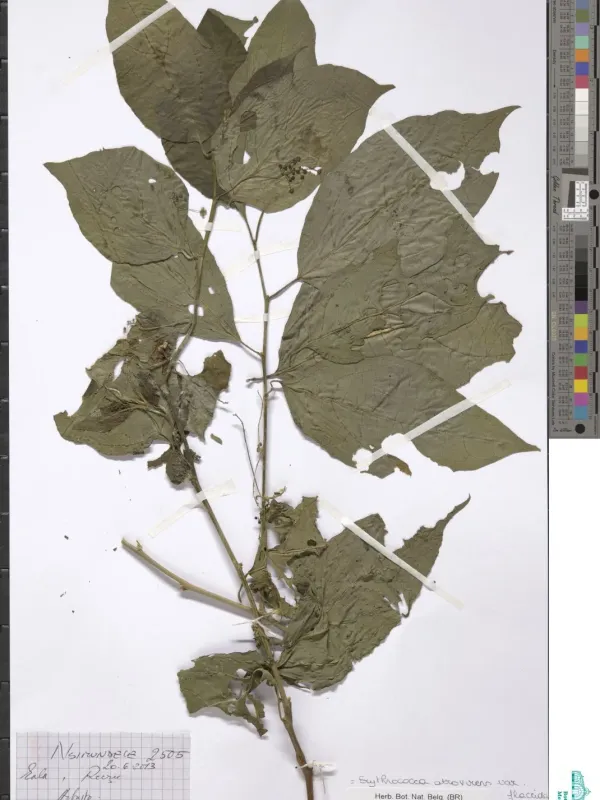
Description
Sowing dates
Erythrococca oleracea belongs to the Euphorbiaceae family. This perennial shrub is traditionally used as a leafy vegetable in tropical regions, particularly in Africa, where it thrives in warm and humid environments.
For cultivation, seeds should be sown in a nutrient-rich, well-drained substrate. The optimal time for sowing is during periods of high ambient temperature to ensure rapid and successful germination, which typically takes two to three weeks.
When starting from seedlings, they should be transplanted once they develop at least two true leaves. This promotes stronger root development and allows the plant to adapt more effectively to the permanent growing site.
Vegetative propagation via cuttings is a highly effective method for this species. Cuttings root quickly in moist soil, providing a reliable way for farmers to expand their cultivation area without relying solely on seeds.
Spacing is a crucial factor during planting. To ensure proper airflow and light penetration, plants should be set at intervals of at least 50-60 centimeters, which helps maintain the health and vigor of the individual shrubs.
Growing requirements
Erythrococca oleracea requires specific environmental conditions to reach its full productive potential. It prefers fertile, loamy, or sandy soils with a neutral or slightly acidic pH, rich in organic matter.
The plant is highly photophilic and needs substantial sunlight to maximize leaf production. Ensuring at least 8-10 hours of daylight exposure is vital for the plant to accumulate the nutrients necessary for rapid regrowth after harvest.
Temperatures ranging from 22 to 28 degrees Celsius are ideal for growth. The plant is sensitive to frost; exposure to temperatures below 10 degrees Celsius can significantly stunt growth, while freezing temperatures can be fatal.
Consistent moisture management is necessary. The soil should remain consistently moist but not waterlogged, as stagnant water can lead to root rot, especially if the soil lacks sufficient drainage capacity.
Regular application of nitrogen-based fertilizers is encouraged to support high-yield leafy green production. Because the plant is harvested for its foliage, nitrogen is the primary driver of vegetative biomass development.
Yield
The yield of Erythrococca oleracea is heavily dependent on the frequency of harvesting. Frequent picking of the leaves triggers the plant to produce lateral shoots, which significantly increases the total biomass produced over a season.
Under optimal agronomic conditions, growers can achieve multiple harvests throughout the growing cycle. Younger leaves are the most sought-after due to their tenderness and superior culinary profile, making regular harvesting a key management strategy.
A single mature plant can provide a substantial amount of greenery if managed correctly. By alternating between harvest periods and recovery phases, farmers can maintain consistent productivity throughout the year in tropical climates.
Top-pruning of the main shoots is a common technique to encourage branching. By increasing the number of productive branches, farmers can significantly boost the overall leaf yield per square meter of the planting area.
It is important to manage the stress levels of the plants. After intense harvest periods, it is advisable to allow the shrubs a short recovery time, supported by a balanced fertilization program to replenish the plants' energy reserves.
Main diseases and pests
Aphids and spider mites are the most common pests affecting Erythrococca oleracea. These pests typically congregate on the underside of the leaves, causing curling and discoloration if left unchecked.
Fungal diseases, such as powdery mildew, can occur in environments with high humidity and poor air circulation. Proper spacing and consistent weeding are essential cultural practices to mitigate these risks.
Root rot is a major threat if irrigation practices are poor. Using well-draining soil mixtures and ensuring that the pots or planting beds do not retain excess water can effectively protect the root systems from decay.
Caterpillars and certain leaf-eating beetles may cause physical damage to the foliage. Biological control agents, such as specific bacteria or natural predators, are preferred for managing these pests in vegetable production.
Regular monitoring of the plantation is essential for success. Identifying and treating pest or disease issues early helps prevent them from spreading, reducing the need for intensive chemical pesticide usage.
Harvesting
Harvesting begins when the plants reach a height of 30-40 centimeters. The leaves should be harvested using sharp tools, being careful to leave the main stem intact to allow the plant to continue growing.
The best time to harvest is in the early morning. During this time, the leaves have high turgor pressure, ensuring they are at their crispest and most nutritious state, which also aids in shelf-life longevity.
Post-harvest handling is critical, as the leaves are perishable and prone to wilting. The product should be cooled immediately or stored in a temperature-controlled environment to maintain quality for the final consumer.
The leaves are typically consumed cooked. Boiling or steaming helps to tenderize the foliage and improves the flavor, making it a staple ingredient in various regional culinary traditions where the plant is grown.
Transportation of the harvested crop should be done in well-ventilated crates to prevent sweating and early spoilage. Careful handling ensures the produce reaches the market in optimal condition, preserving its commercial value.