
Euphorbia adenochlora
Euphorbia adenochlora
Description
Sowing dates
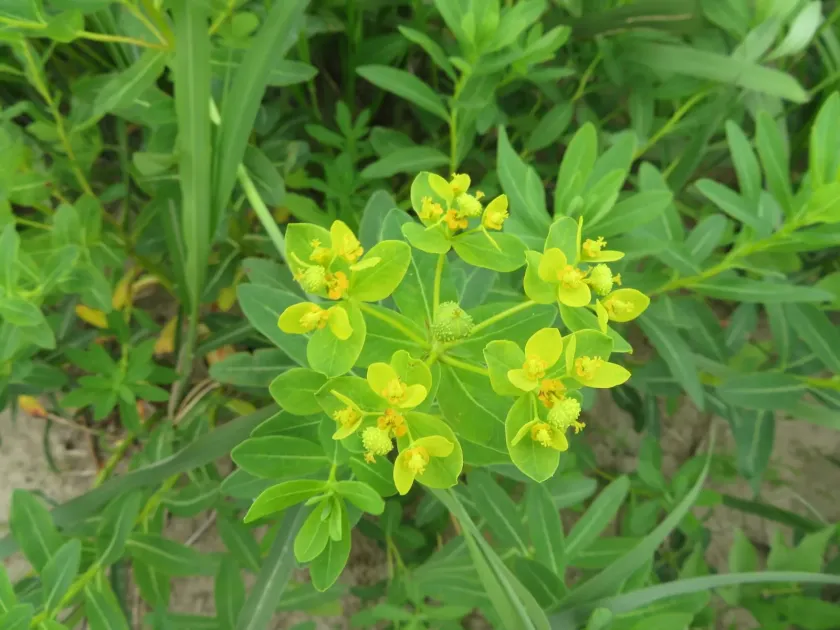
Euphorbia adenochlora is a perennial herbaceous plant belonging to the Euphorbiaceae family, characterized by its distinctive green glandular structures.
Seed propagation is the primary method of cultivation; seeds exhibit dormancy and require cold stratification to break it effectively before germination.
Sowing in autumn allows the seeds to undergo natural winter stratification, leading to more uniform germination during the following spring season.
When sowing in containers, use a well-draining substrate mix and maintain moisture levels without saturating the medium to prevent seed decay.
Seedlings should be transplanted to their permanent location once they develop their first true leaves and become strong enough to handle environmental stressors.
Growing requirements
The plant thrives in full sun exposure but is capable of surviving in partial shade, provided it receives several hours of direct light daily.
Soil requirements focus on high permeability and excellent drainage; heavy clay soils must be amended with sand or gravel to prevent water retention.
Euphorbia adenochlora is highly adaptable to various soil types, preferring neutral to slightly alkaline pH levels for optimal nutrient uptake.
Climate adaptability is one of the key strengths of this species, as it withstands temperature fluctuations and cold winter dormancy periods quite well.
Maintenance of the soil moisture balance is essential; the plant is drought-tolerant once established but benefits from occasional watering during intense heat.
Main diseases and pests
Root rot caused by excessive soil moisture is the primary disease risk, often triggered by poor site drainage or overly frequent irrigation practices.
Pest issues include typical garden intruders like aphids and spider mites, which may colonize the tender growth during dry and hot weather cycles.
Control measures for pests involve the use of insecticidal soaps or systemic pesticides, always ensuring careful application to avoid contact with human skin.
Fungal infections can be managed by ensuring adequate plant spacing, which improves airflow and reduces humidity levels within the plant canopy.
Sanitation practices, such as removing debris and weeds around the plants, significantly reduce the pressure from pathogens and secondary pests.