
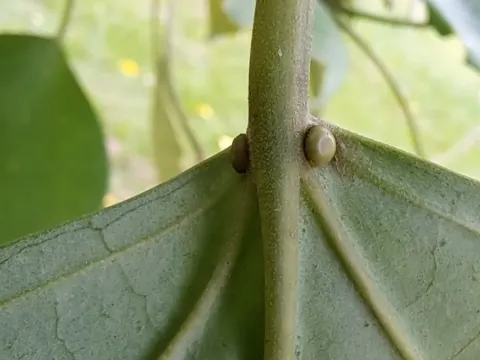
Endospermum
Endospermum
Propagation of Endospermum is typically managed through high-quality seeds collected from mature, healthy mother trees at the end of the rainy season.
What the section contains

Endospermum
Nursery practices involve planting seeds in specialized media that provide excellent drainage while maintaining the moisture necessary for germination.
Seedlings are nurtured in a controlled environment until they reach a robust size, ensuring higher survival rates upon transplantation to the forest floor.
Transplanting into final plantation sites should be timed with the onset of the wet season to allow the root system to establish itself effectively.
Strategic planting density is crucial, providing adequate space for each tree to grow straight and healthy, which is essential for future timber quality.
Endospermum is a genus within the Euphorbiaceae family, thriving in equatorial regions characterized by high humidity and consistent tropical temperatures.
The crop requires deep, fertile, and well-drained soils, as waterlogging can lead to root rot and severely diminish the vitality of the trees.
As a light-demanding species, Endospermum requires significant direct sunlight, especially in the early stages, to prevent stunted growth.
Effective management includes regular monitoring of weed competition, which can otherwise outpace young trees and rob them of essential soil nutrients.
The application of proper silvicultural techniques, such as selective pruning and fertilizing, can greatly enhance biomass accumulation over the growing cycle.
The primary yield from an Endospermum plantation is its lightweight and uniform timber, which is highly sought after by the furniture and veneer industries.
Productivity is measured by the growth rate of the main stem, aiming to reach commercial harvestable size within a decade or slightly longer.
The wood's properties, including its ease of processing and finishing, make it an excellent material for high-demand secondary wood products.
Yield stability depends heavily on maintaining plantation density and ensuring that trees are not overcrowded, which would otherwise lead to weaker timber.
Modern forest management focuses on extracting the maximum usable wood volume while ensuring that the site remains productive for subsequent planting cycles.
Fungal infections of the root system represent a significant threat to plantation health, often exacerbated by poor drainage during the heavy rainy seasons.
Various insect pests, particularly those that target young foliage, can significantly slow down growth rates and weaken the structure of the developing trees.
Mechanical damage to the bark during maintenance activities creates vulnerabilities, allowing pathogens and wood-boring insects to compromise timber quality.
Invasive weed species compete with the trees, necessitating active management and periodic clearing to ensure the crop has optimal access to resources.
Integrated pest management strategies, combined with strict quarantine and hygiene protocols, are essential for maintaining the health of the entire forest stand.
Harvesting is conducted when the trees reach specific girth and height requirements, ensuring that the timber meets industrial quality standards.
Selective logging techniques are preferred to minimize disturbance to the remaining ecosystem and to facilitate natural forest recovery where possible.
Harvested timber must be processed or treated promptly to prevent decay and discoloration, which are common risks in tropical environments with high humidity.
Sustainable harvesting involves replanting immediately after logging, ensuring the continuity of the forest resource for future production cycles.
The sorting process classifies logs based on wood uniformity and freedom from defects, preparing them for final milling and distribution to commercial markets.