
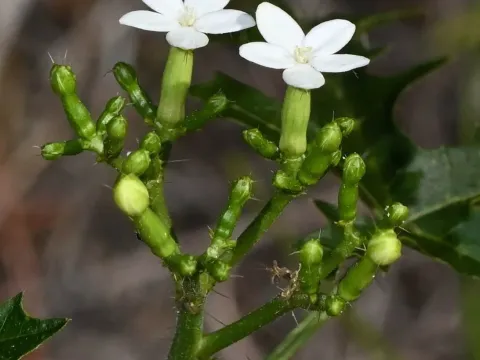
Cnidoscolus
Cnidoscolus
Cnidoscolus, widely known as "tree spinach," is propagated primarily through cuttings, although seed propagation is also viable in specific environments. Planting is best initiated at the beginning of the rainy season to ensure optimal soil moisture levels for rapid establishment.
What the section contains


Cnidoscolus
When propagating by seed, sowing is performed in prepared nursery beds or containers within a protected environment. Maintaining a consistent air temperature above 20 degrees Celsius is critical, as the crop is highly sensitive to cold and thermal stress.
For cuttings, gardeners select healthy, semi-hardwood stems approximately 20–30 centimeters in length. These are inserted directly into the final field location or into a nursery bed where partial shading is provided for the first few weeks to prevent dehydration.
Proper soil preparation is essential for successful establishment. The substrate must be well-drained to prevent the root rot commonly associated with the Euphorbiaceae family, which occurs when plants are kept in waterlogged, poorly aerated conditions.
The growth cycle allows for cutting preparation throughout most of the year in tropical climates. This flexibility in propagation makes the crop highly manageable for farmers planning consecutive planting cycles.
Cnidoscolus is a perennial shrub belonging to the Euphorbiaceae family, native to the tropical regions of Mexico and Central America. The plant is strictly tropical and thrives only in warm climates, as it cannot survive even brief exposure to frost.
While not overly demanding regarding soil type, the plant performs best in light, fertile loams with a neutral or slightly acidic pH balance. Good drainage remains the most important physical soil requirement to prevent root health degradation.
The crop is highly light-dependent. While young plants can tolerate partial shade, maximum biomass production is achieved when the shrub receives direct sunlight for the majority of the day, promoting lush and rapid foliage growth.
Agronomic management requires regular sanitary and formative pruning. Without intervention, the shrub may grow excessively tall and spindly, which significantly complicates the harvesting process and lowers the overall yield per hectare.
Watering must be balanced and regular. Despite the plant's tropical origins and moderate drought tolerance, consistent soil moisture is essential for producing high-quality, succulent leaves for consumption throughout the growing season.
The primary agricultural use of Cnidoscolus is the harvesting of its nutrient-dense leaf mass. In tropical environments, harvesting can occur continuously throughout the year, provided the plant is managed with appropriate pruning techniques.
Yield capacity is determined by planting density and the frequency of harvests. Intensive cultivation methods allow for substantial yields of fresh greens per shrub, making it a highly profitable crop for small-scale and sustainable farming operations.
The leaves are rich in proteins, calcium, iron, and various vitamins. However, consumers must be aware that leaves are strictly for consumption after thorough thermal processing, as raw leaves contain compounds that require neutralization.
Cooking methods, such as boiling or sautéing, are essential to break down potentially harmful compounds. This safety protocol is fundamental when including this crop in any nutritional or commercial food supply chain.
The long-term productivity of a single plantation makes Cnidoscolus an economically sound investment. Once established, the shrubs can produce reliable harvests for many years without the need for frequent replanting or soil disturbance.
Cnidoscolus possesses natural chemical defenses due to the latex-like sap found throughout its tissues, which discourages many common pests. However, mealybugs can occasionally become an issue, affecting the growth of tender apical shoots.
Excessive humidity combined with poor air circulation within the canopy can lead to fungal infections, such as leaf spot diseases. Preventive measures include maintaining adequate spacing between plants and performing timely pruning to improve airflow.
Root rot represents the most significant threat, usually caused by improper irrigation or poor drainage management. Infected specimens must be removed promptly to prevent the spread of pathogens to neighboring plants in the field.
Phytophagous insects are rarely a major threat to mature shrubs, though they may target fresh buds. The use of organic or biological pest control methods is strongly recommended given the edible nature of the crop's foliage.
Following good crop rotation practices and monitoring plant health on a regular basis allows growers to minimize disease pressure effectively, ensuring a stable and productive harvest cycle.
Harvesting Cnidoscolus involves the systematic collection of leaves and young, tender shoots. Expert agronomists suggest harvesting as soon as the foliage reaches a mature state to ensure the best texture and flavor profile.
Gardeners use secateurs or sharp knives to cut the vegetation, taking care not to damage the main structural branches. Trimming the upper parts of the stems encourages the plant to branch out, thereby increasing yields for future harvest cycles.
Freshly harvested produce must be processed or brought to market immediately. Due to the high rate of respiration in fresh leaves, they lose quality quickly if not handled with proper temperature control and logistics.
Short-term storage in a cool, ventilated area keeps the greens in good condition for a few days. For longer-term storage, leaves should be blanched and then either dried or deep-frozen to preserve their nutrient content.
Harvesters should be cautious, as some varieties possess tiny, stinging hairs on the leaves and stems that may cause skin irritation upon contact. Using protective gloves is highly recommended during all harvesting operations.