
Chrozophora senegalensis
Chrozophora senegalensis
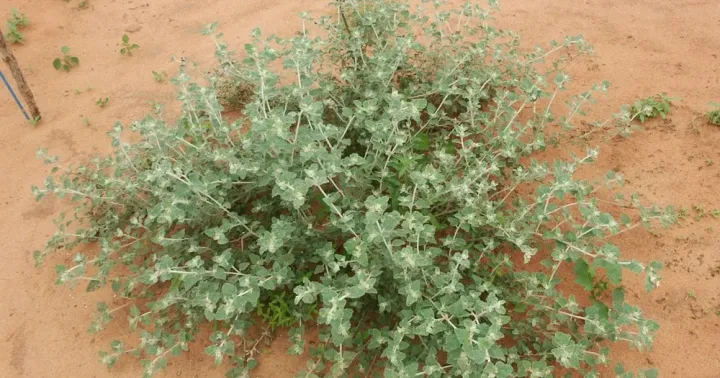
Description
Growing requirements
Chrozophora senegalensis is a notable herbaceous plant species belonging to the Euphorbiaceae family. It is predominantly found in the arid and semi-arid regions of the African continent, particularly within the Sahel zone.
The plant is highly specialized to survive in harsh climatic conditions, thriving in areas with high temperatures and low annual rainfall. Its evolutionary adaptation allows it to flourish in nutrient-poor and sandy soils where other crops often fail.
Botanically, the plant features trichomes (hairs) on its leaves, which serve to reduce transpiration and protect the tissue from excessive solar radiation. As a member of the Euphorbia family, it possesses a characteristic latex-rich sap.
Regarding soil requirements, Chrozophora senegalensis prefers well-drained, porous soils. It is particularly sensitive to waterlogging, which can rapidly lead to root rot and mortality under unsuitable hydrological conditions.
In terms of agricultural and economic interest, the species is valued for its hardiness. Historically, it has been used in local folk medicine and as a minor plant resource in its native range, with ongoing interest in its phytochemical profile.
Main diseases and pests
Pathogenic threats include fungal infections occurring primarily during the sporadic rainy season. Additionally, common agricultural pests such as aphids and various larvae species can infest the foliage, impacting plant development.