
Cnidoscolus tubulosus
Cnidoscolus tubulosus
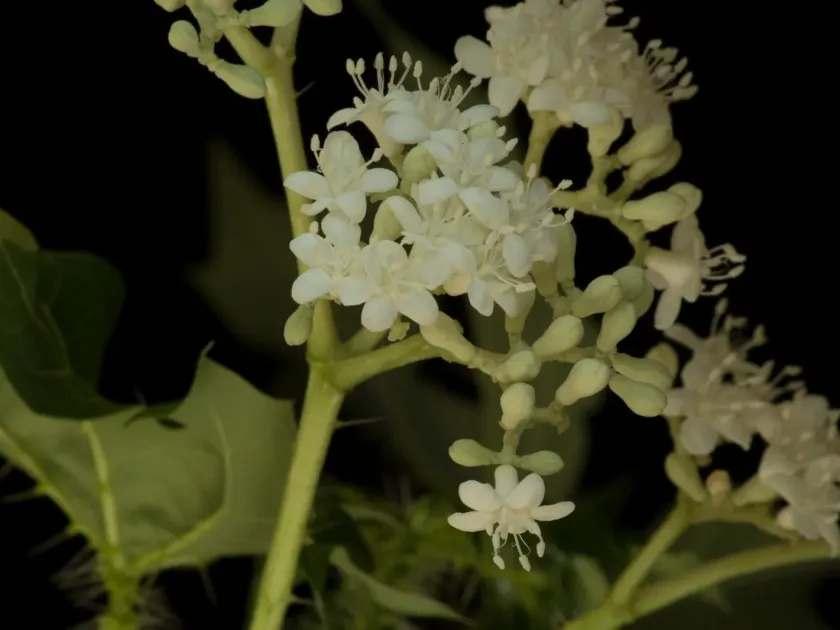
Description
Growing requirements
Cnidoscolus tubulosus is a perennial plant belonging to the Euphorbiaceae family, native to the tropical regions of Central and South America. It is recognized for its robust growth habit and distinct biological adaptations to warm, humid environments.
The crop thrives in well-drained, nutrient-rich soils with a pH ranging from 6.0 to 7.0. Proper soil texture is crucial; waterlogging must be avoided to prevent root decay, making soil structure management a priority for successful cultivation.
Environmental requirements include high levels of solar radiation and consistent temperatures, ideally between 20°C and 30°C. In controlled farming environments, maintaining humidity levels that prevent desiccation while ensuring ventilation is essential.
Botanically, the species is characterized by the presence of stinging hairs on its foliage and stems. These structures contain irritants, which serve as a natural defense mechanism against various herbivores in its native habitat.
Economically, the plant is studied for its potential in biomass production and specialized chemical extracts. Its hardy nature makes it a candidate for research in sustainable agricultural practices within tropical zones.
Main diseases and pests
Spider mites are a significant pest for Cnidoscolus tubulosus, particularly in greenhouse conditions where low humidity promotes rapid infestation. Effective monitoring and intervention are necessary to maintain plant vigor.
Root rot pathogens represent the most serious threat to crop health, usually occurring when the growing substrate remains consistently saturated. Improving drainage and aeration is the primary method of preventing these soil-borne diseases.
Fungal leaf spot diseases can affect the foliage if canopy density is too high, leading to reduced photosynthetic capacity. Strategic spacing and pruning are recommended to encourage adequate airflow throughout the crop.
Aphids and whiteflies can also colonize the plant, focusing on young, tender growth. Integrated Pest Management (IPM) strategies, including biological control agents, are often preferred to manage these pests effectively.
Robust plant health, achieved through balanced potassium and phosphorus fertilization, enhances the natural resistance of the crop to common pathogens and helps mitigate environmental stress during the growing cycle.