
Cliff spurge
Euphorbia misella
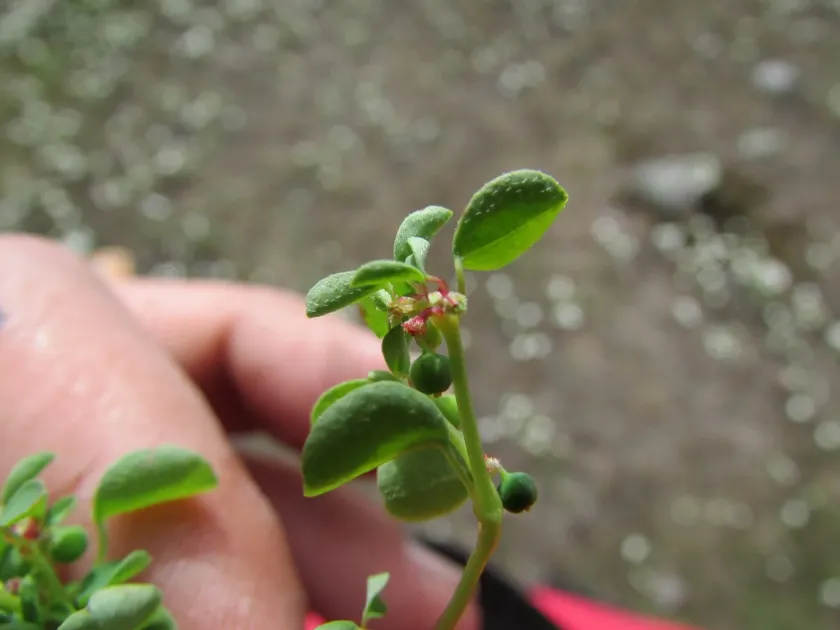
Description
Growing requirements
Cliff spurge (Euphorbia misella) is a perennial succulent shrub belonging to the diverse Euphorbiaceae family. This species is highly specialized for life in arid environments, demonstrating remarkable physiological adaptations to water scarcity.
The native distribution of this plant includes the arid regions of North America, specifically spreading across deserts in California, Arizona, and parts of Mexico. It typically thrives in rocky substrates and well-drained volcanic or sandy soils.
Botanically, it is identified by its compact shrubby growth habit and fleshy, water-storing stems. These features are essential for maintaining metabolic processes during long periods of drought typical of its natural habitat.
The cultivation requirements for this plant emphasize the necessity for full solar exposure and highly porous soil. It requires a specific microclimate that mimics the intense heat and dry cycles of the desert to maintain healthy growth cycles.
Although not a commodity crop, its genetic properties make it a subject of interest for sustainable xeriscaping and research into plant species capable of thriving in extreme drought conditions without human intervention.
Main diseases and pests
The health of Euphorbia misella is largely dependent on proper environmental conditions, as artificial deviations can lead to significant physiological decline and susceptibility to pests.
Root rot, triggered by overwatering or poor soil drainage, is the primary threat to this species. Excess moisture quickly destabilizes the roots, inviting opportunistic fungi to attack the vulnerable plant tissue.
Pests such as mealybugs and scale insects represent a common danger, as they often target succulent stems to extract nutrients, weakening the plant's structural integrity over time.
The plant produces a toxic latex that acts as a natural chemical defense, protecting it from many herbivores, though it does not provide total immunity against highly specialized pests or systemic pathogens.
Maintaining a healthy specimen requires observing the plant's natural rhythm and avoiding high-humidity environments, ensuring that the substrate dries out completely between any necessary moisture applications.