
Texas bull-nettle
Cnidoscolus texanus
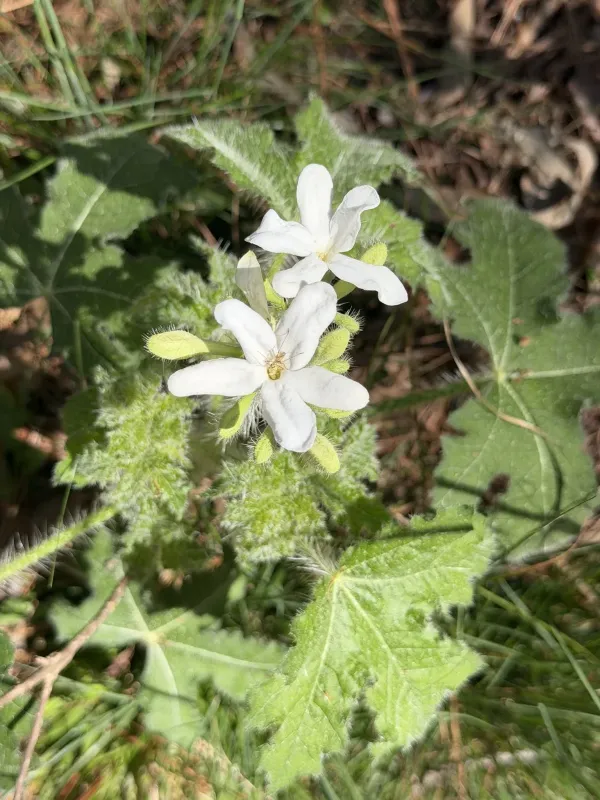
Description
Growing requirements
Texas bull-nettle (Cnidoscolus texanus) is a member of the Euphorbiaceae family, widely known in its native regions of the southern United States and Mexico. It is a perennial plant characterized by its unique ability to thrive in harsh, nutrient-poor, sandy soils.
This crop is highly prized for its extreme drought tolerance. It features a deep taproot system, which makes it an excellent candidate for stabilizing soil and preventing erosion in arid agricultural zones where traditional crops often fail.
The plant thrives in full sun conditions, requiring minimal fertilization due to its adaptation to low-fertility substrates. However, it is essential to ensure that the site has excellent drainage to prevent root rot, which is the primary cause of crop failure.
Agronomic management involves spacing plants appropriately to allow for sufficient airflow, which helps mitigate moisture-related diseases that can arise during humid summer months.
Due to the stinging hairs present on its foliage and stems, growers must use protective clothing and specialized harvesting machinery to safely manage the crop without direct contact.
Main diseases and pests
Pest pressure on Cnidoscolus texanus primarily comes from sap-sucking insects like aphids and mites, which can significantly stunt growth if infestations are left unchecked during the early vegetation stage.
Fungal pathogens such as powdery mildew represent a significant threat when environmental conditions are marked by poor ventilation or excessively high humidity levels.
Root system integrity is vital, and soil-borne pests such as nematodes can be particularly destructive if the crop is planted in fields previously occupied by host-susceptible species.
Integrated pest management (IPM) strategies, including the use of neem-based oils or other natural deterrents, are recommended to maintain plant health while minimizing chemical input.
Regular field scouting is essential to identify disease symptoms early, as the plant's natural defense mechanisms are more focused on physical deterrence than internal resistance to systemic pathogens.