
Claoxylon glandulosum
Claoxylon glandulosum
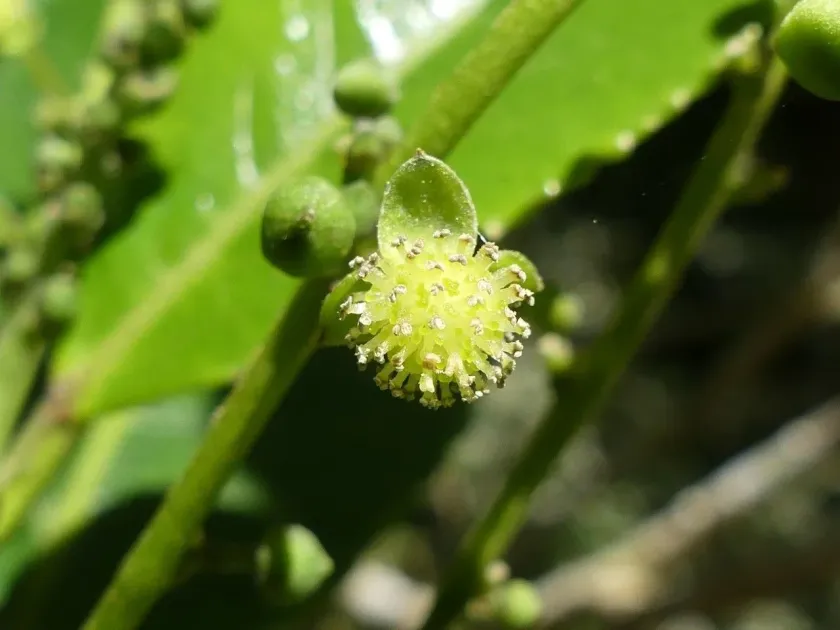
Description
Sowing dates
Claoxylon glandulosum is a perennial plant belonging to the Euphorbiaceae family. Native to tropical regions, this species is well-adapted to environments with consistently high moisture levels and warm temperatures throughout the year.
Propagation is typically performed via seeds, which require specific conditions for germination. It is recommended to use fresh seeds and plant them in a moist, nutrient-rich sterile medium to ensure successful emergence and prevent decay.
The optimal period for sowing corresponds to the onset of stable warm weather. Maintaining a consistent temperature between 25 and 30 degrees Celsius is crucial to stimulate seed dormancy break and promote vigorous radical development.
During the early growth stages, seedlings should be shielded from intense direct sunlight. Providing filtered light or using shading structures helps protect the delicate tissues from heat stress and excessive transpiration.
Transplanting should be handled with care to minimize root disturbance. Once the plants reach a height of 10–15 centimeters, they are typically ready for moving to permanent cultivation beds where spacing allows for adequate airflow.
Growing requirements
Claoxylon glandulosum thrives in well-drained, loamy soils rich in organic matter. Soil pH levels should ideally be maintained in the slightly acidic to neutral range (6.0–7.0) to ensure the availability of essential nutrients for plant development.
The plant requires high humidity levels (typically above 75%) to maintain optimal metabolic activity. In drier climates, the use of automated misting systems is necessary to mimic the natural tropical habitat of the species.
Regular fertilization is essential for sustained growth. A balanced NPK fertilizer, complemented by secondary and micronutrients such as iron and manganese, supports the production of healthy foliage and sturdy stems throughout the growing season.
Adequate spacing between plants is required to ensure sufficient light penetration and air circulation. Crowded plantings often result in increased competition for nutrients and create microclimates favorable for pest proliferation.
Water management is critical. While the plant appreciates high humidity, the soil should never become waterlogged, as this leads to anaerobic conditions that promote root rot and rapid senescence of the plant.
Main diseases and pests
Spider mites are the most common pest associated with this crop. They thrive in the same warm, humid conditions that the plant prefers, making regular monitoring of the leaf undersides essential for early detection and control.
Fungal pathogens such as powdery mildew represent a significant threat during periods of stagnant air or high moisture saturation. Early signs include white, fuzzy patches on the leaf surfaces, which require immediate treatment with appropriate fungicides.
Root rot is often the result of poor soil drainage or excessive watering. The primary symptom is a general wilting of the plant despite soil moisture, which is usually irreversible once the pathogen has reached the vascular system.
Scale insects can also infest the stems, weakening the plant by draining its sap. Removing these manually or applying horticultural oils are effective control methods, especially if the infestation is detected at a localized level.
Integrated Pest Management (IPM) practices are highly recommended for this culture. This includes regular sanitization of tools, monitoring of insect populations, and the use of beneficial insects to manage pest numbers sustainably.