
Chrozophora brocchiana
Chrozophora brocchiana
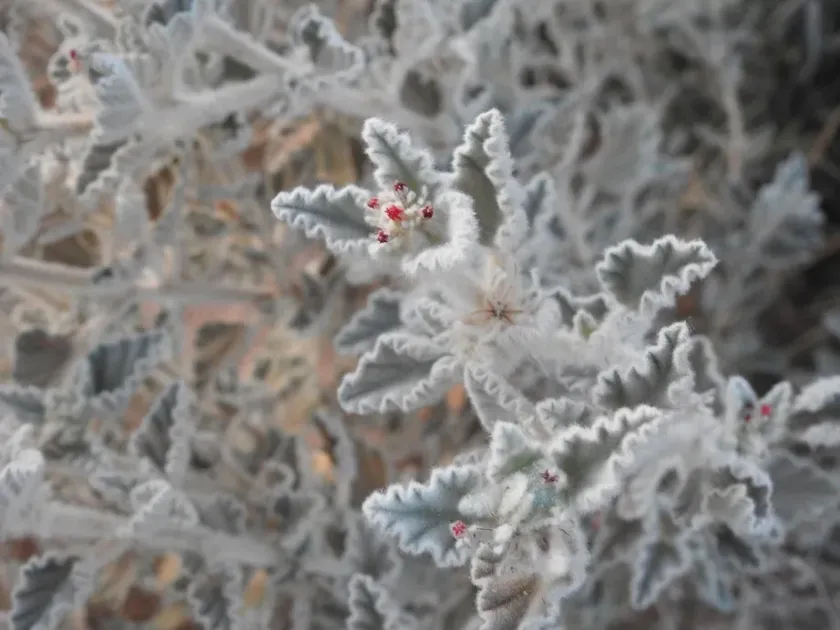
Description
Growing requirements
Chrozophora brocchiana is a notable species within the Euphorbiaceae family, specifically adapted to the harsh environments of the Saharan desert. It is a succulent-like herb that thrives in environments where other crops would fail due to water scarcity.
The plant originates from Northern Africa, where it has evolved to colonize unstable sandy habitats. Its distribution is closely linked to arid and semi-arid regions that experience extreme temperature fluctuations between day and night.
Regarding soil requirements, the species prefers sandy or gravelly soils with excellent drainage. It is highly tolerant to low nutrient availability and performs well in substrates that are typically considered marginal for standard crop production.
Botanically, Chrozophora brocchiana is distinguished by its stellate hair coverage on the leaves, which acts as a protective shield against intense solar radiation. This structural adaptation allows the plant to maintain photosynthesis even at extreme temperatures.
The agricultural usage is currently experimental, focusing on soil stabilization and bio-remediation of degraded desert lands. Its ability to thrive without intensive irrigation makes it a subject of interest for sustainable dryland farming.
Main diseases and pests
The main threats to Chrozophora brocchiana in its native environment are overgrazing and habitat destruction. Although it possesses chemical defenses typical of the Euphorbiaceae family, heavy grazing pressure can lead to local population declines.
Insect pests are generally scarce in its natural habitat due to the extreme aridity. However, during sporadic rainfall events, populations of generalist herbivores can increase, causing localized damage to the foliage and developing flowers.
Fungal pathogens are of little concern in the plant's native hyper-arid range. Issues typically arise only in cultivated settings where excess humidity and poor air circulation create conditions conducive to plant decay and root issues.
Soil-borne nematodes may pose a threat to the root system, potentially hindering nutrient uptake and plant vigor. Mitigation of these threats involves crop rotation and careful moisture management in nurseries.
Protecting this species requires minimizing human-induced habitat changes and maintaining the natural soil structure of the arid ecosystems where it functions as a pioneer plant species.