
Claoxylon indicum
Claoxylon indicum
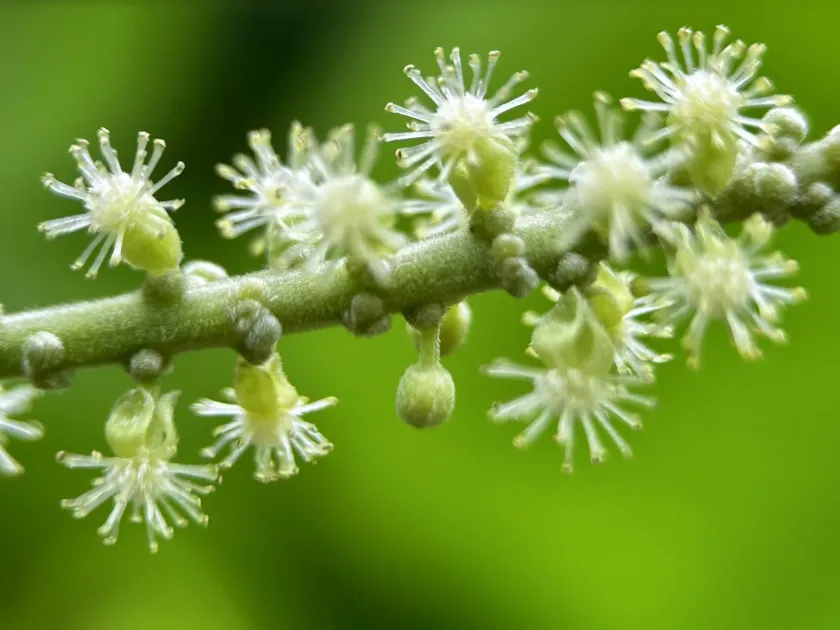
Description
Growing requirements
Claoxylon indicum is a notable botanical species belonging to the Euphorbiaceae family. It typically grows as an evergreen shrub or a small tree, exhibiting distinct characteristics such as alternate leaves and small, often inconspicuous flowers that are typical for the family.
The plant is indigenous to the tropical regions of Asia, specifically inhabiting the diverse ecosystems of India, Indochina, and the Malay Archipelago. It thrives in humid conditions, often found in dense forest understories where the canopy provides necessary shade and protection.
Climatic requirements for this species are strictly tropical. It demands a warm environment with temperatures consistently above 22 degrees Celsius. Any exposure to frost or cold winds is lethal for the plant, making it unsuitable for cultivation in temperate or subtropical zones without climate control.
Regarding soil, Claoxylon indicum requires nutrient-rich, well-draining soil to mimic its natural forest habitat. The incorporation of organic matter and a loose, airy soil structure is essential to prevent root asphyxiation, which can occur if the soil is too dense or waterlogged.
The agricultural and economic utility of the plant is primarily centered on its role in traditional medicine. Various parts of the tree, including the bark and leaves, are harvested by local communities for their chemical properties, making it an important subject for ethnobotanical studies and sustainable cultivation.
Main diseases and pests
In terms of plant health, the main threats to Claoxylon indicum include infestation by common tropical pests such as whiteflies and scale insects. These organisms can thrive if the humidity and temperature balance is not carefully managed within the growing environment.
Furthermore, pathogenic fungi pose a significant risk, especially during monsoon seasons or in improperly ventilated greenhouse conditions. Maintaining a proper microclimate is crucial to prevent leaf spots and stem rot, which can quickly compromise the vitality of the plant under intensive management.