
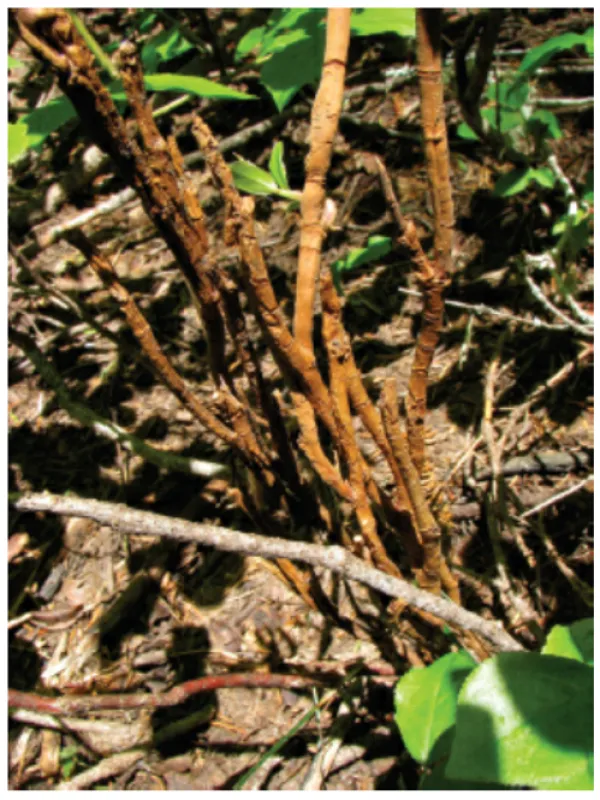
Description
Symptoms
The first symptoms of Gibbera leaf spot appear as small, reddish-brown spots on the upper surfaces of cranberry leaves. These lesions are initially discrete but can become more prominent over time.
As the infection progresses, the spots enlarge and may coalesce, leading to significant areas of necrotic tissue. These necrotic sections typically turn a dull gray or dark brown as the infection kills the plant cells.
Microscopic examination of the affected leaf areas often reveals the presence of small, black fruiting bodies known as apothecia. These structures are key for the identification of Gibbera compacta in field conditions.
Severe infestations often result in the premature dropping of leaves and the wilting of young, tender shoots. This loss of foliage significantly weakens the plant and reduces its overall vigor during the growing season.
In addition to leaf spots, the pathogen can sometimes cause the distortion of stems, which hinders the upward growth of the cranberry vines. Consistent monitoring for these symptoms is essential for early detection.
Pathogen
The causal agent of this disease is the fungus Gibbera compacta, an ascomycete specifically known to impact plants within the Ericaceae family. It is a specialized pathogen that thrives on cranberry crops.
The fungus survives the winter season as mycelium or as dormant fruiting bodies within infected leaf litter and stems. This debris serves as the primary source of inoculum when spring conditions return.
During the growing season, the fungus produces spores (conidia) which are disseminated through rainfall splashes and wind. These spores act as the primary means of spreading the infection throughout the cranberry bed.
Once the spores land on a healthy host, they penetrate the epidermis and colonize the intercellular spaces. The fungus derives nutrients from the plant host, leading to the characteristic cellular death and necrotic symptoms.
The pathogen is known for its ability to persist in diverse environmental conditions, making it a persistent challenge for cranberry growers globally. Its biological cycle is closely tied to the host's active growth phases.
Conditions for development
High moisture levels are the most critical factor for the development and spread of Gibbera leaf spot. Frequent rainfall, persistent fog, and heavy dew provide the necessary surface wetness for spore germination.
Poor airflow within dense canopy plantings significantly exacerbates the issue by preventing rapid drying of foliage. This stagnant microclimate allows the pathogen to establish and multiply rapidly.
The fungus exhibits peak activity at moderate temperatures, typically between 15 and 22 degrees Celsius. However, it can survive and infect across a wider range of temperate conditions if the moisture threshold is met.
Poorly managed cranberry beds with insufficient drainage are more prone to infection. Waterlogged soil conditions can stress the vines, making them more susceptible to fungal pathogens like Gibbera compacta.
Nutritional imbalances, particularly an excess of nitrogen, can encourage lush, succulent growth that is highly vulnerable to infection. Balanced fertility programs are essential to maintain natural plant resistance.
Why it matters
The primary damage caused by Gibbera leaf spot is the reduction of functional leaf area. This limits the plant's ability to perform photosynthesis, directly impacting biomass accumulation and growth.
Infected plants show reduced vigor, leading to poor bud set and diminished yields in subsequent seasons. Heavy infections can cause significant crop losses due to the loss of berries and overall vine health.
Weakened vines are less capable of surviving cold winter conditions, which may lead to increased plant mortality during the dormant season. This can cause patches of the bed to die off entirely.
Managing the disease requires significant investments in fungicides and intensive labor. If left uncontrolled, the infection can become endemic, rendering the cranberry bed unprofitable for commercial harvest.
The necrotic tissue caused by the fungus often acts as an entry point for secondary opportunistic pathogens, further complicating the plant's health status and reducing the longevity of the planting.
Protection
Sanitation is the cornerstone of disease management; removing and destroying infected plant debris after the harvest reduces the primary inoculum source for the following season.
Proper bed management, including light pruning to enhance air circulation and canopy drying, is vital. This limits the duration of leaf wetness and creates a less favorable environment for the fungus.
Chemical control involving the timely application of approved fungicides is effective in preventing widespread outbreaks. Applications are most effective when timed with weather forecasts that predict long periods of moisture.
The selection of disease-resistant varieties provides a long-term solution. Breeding efforts continue to focus on enhancing the natural immunity of cranberries against fungal leaf spots.
- Monitor fields regularly for early symptoms.
- Maintain proper drainage to prevent waterlogging.
- Avoid excessive nitrogen fertilization.
- Clean pruning tools between fields to prevent spread.
- Use certified disease-free planting stock.
Pathogens and affected parts
Affects crops · 1
Discussion
No discussions yet — be the first.