
Description
Symptoms
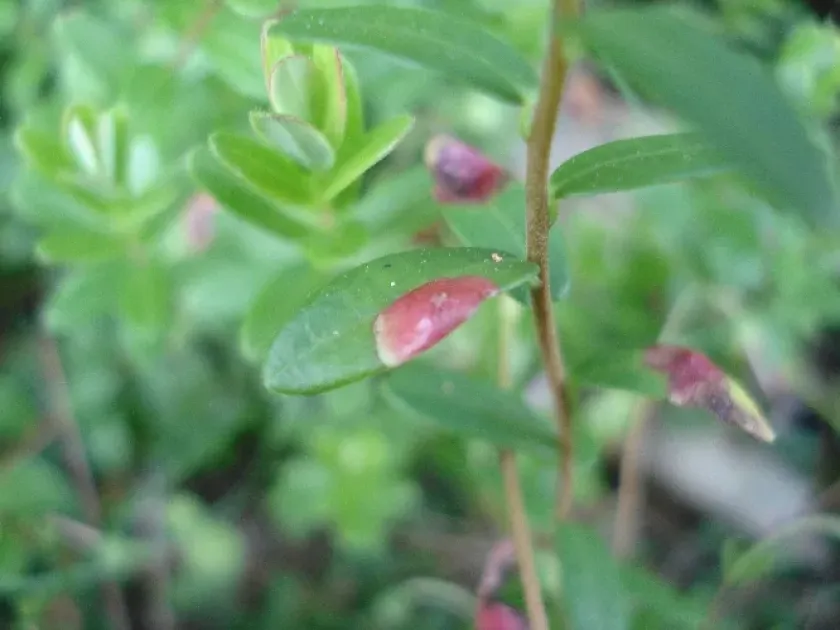
The most distinctive symptom of the disease is the appearance of small, bright red or reddish-brown spots on the upper side of the leaves. As the disease progresses, these spots expand in number and size.
Under humid conditions, a pale white or creamy fungal growth (spore mass) appears on the underside of the leaves directly beneath the red spots. This is a clear indicator of active fungal sporulation.
Infected leaves become chlorotic and often drop prematurely. The loss of foliage reduces the plant's photosynthetic capacity, which directly affects the overall vigor and energy reserves of the plant.
In severe cases, the fungus can also affect young shoots, leading to stunted growth, curling, or abnormal pigmentation. This physical distortion can make the crop look sickly and unthrifty.
- Bright red leaf spots on the upper surface.
- White spore-bearing growth on the lower leaf surface.
- Premature leaf senescence and abscission.
- Deformed or stunted young shoot growth.
Pathogen
Red leaf spot is caused by the fungus Exobasidium rostrupii. It is a highly specialized fungal pathogen that targets specific hosts, primarily plants within the Ericaceae family, such as cranberries.
The pathogen operates by colonizing the epidermal and internal tissues of the host plant. It establishes a mycelial network that draws essential nutrients from the plant, disrupting normal metabolic processes.
The life cycle of the fungus is intrinsically linked to the host's vegetation period. It reproduces by forming spores on basidia, which are then disseminated by wind and splashing water to start new infections.
Persistence of the fungus is a major concern as it can overwinter in infected leaves and stems. This allows the pathogen to reappear consistently in the same field if the environmental conditions are favorable.
Understanding the biology of this fungus is key for growers, as it highlights the need for continuous surveillance and proactive management to prevent the establishment of the disease in commercial crops.
Conditions for development
The disease thrives in conditions of high humidity and prolonged leaf wetness. Heavy morning dews, frequent rain, and fog are primary drivers for the rapid spread of the pathogen.
The ideal temperature range for Exobasidium rostrupii development is between +15°C and +22°C. During these moderate temperatures, the incubation period is reduced, favoring epidemic outbreaks.
Poor field hygiene and high-density planting contribute to disease development by limiting airflow. Stagnant air keeps foliage wet for longer periods, significantly increasing the risk of infection.
Irrigation management is critical; using overhead sprinklers in the evening or night extends the duration of leaf wetness, providing an ideal window for spore germination and tissue penetration.
Plant stress, often caused by nutrient deficiencies, drought, or waterlogging, lowers the plant's natural resistance, making it much more susceptible to colonization by the fungus.
Why it matters
The primary economic harm is the substantial reduction in yield caused by the loss of photosynthetic leaf area. Without enough leaves, the plant cannot produce the carbohydrates required for berry development.
Chronic infection weakens the plants, making them less hardy and more vulnerable to cold damage during the winter. This can lead to increased winterkill and thinning of the stand.
Yield losses can vary significantly depending on the infection severity, but prolonged outbreaks can lead to a 30% or higher reduction in berry production, directly impacting profitability.
Repeated yearly infections drain the plant's energy resources, leading to long-term decline and potential death of the bushes. This results in the need for costly replanting of infected areas.
Additionally, the presence of the disease can complicate the harvesting process and decrease the market value of the crop due to poor berry quality and reduced plant health.
Protection
Effective control starts with site selection and preparation. Choosing well-drained locations with good air circulation helps keep the foliage dry and limits the conditions required for infection.
Sanitation is paramount; removing and destroying infected plant material significantly reduces the primary inoculum level in the field for the following season.
Chemical control using authorized fungicides is a standard practice. Timing applications according to local environmental monitoring and the plant's growth stage is essential for maximum effectiveness.
Implementing a diverse integrated pest management (IPM) strategy, including alternating fungicides with different modes of action, helps prevent the development of resistant fungal strains.
Promoting overall plant health through balanced fertilization and proper water management builds natural resilience. A strong, healthy plant is much more capable of fending off infections under environmental stress.
Pathogens and affected parts
Affects crops · 2
Discussion
No discussions yet — be the first.