
Little Prince's Pine
Chimaphila menziesii
Description
Growing requirements
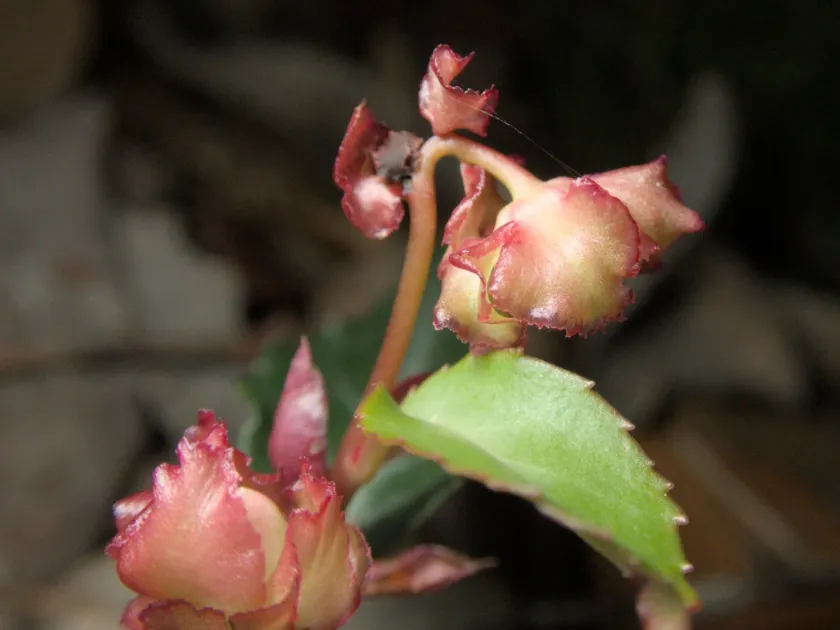
Chimaphila menziesii, known commonly as Little Prince's Pine, is a perennial evergreen subshrub belonging to the Ericaceae family. It is native to the western regions of North America, where it thrives in shaded coniferous forests.
This species requires specific soil conditions, typically favoring acidic, well-drained substrates rich in leaf mold. The presence of symbiotic mycorrhizal fungi is essential for nutrient uptake, making transplantation or artificial cultivation a challenging task for agronomists.
Climatic preferences for this culture involve temperate conditions with consistent humidity levels. It performs best in environments where forest canopy provides significant shading, preventing heat stress and protecting the foliage from intense UV radiation.
The botanical structure consists of small, lanceolate, leathery leaves and delicate bell-shaped flowers. Its slow growth rate means that biomass accumulation is minimal, and the plant requires long periods to establish in a new environment.
For successful cultivation, agronomists focus on maintaining forest-like microclimates. This includes utilizing organic mulches to regulate soil temperature and moisture, and avoiding the use of strong synthetic fertilizers that could disrupt the sensitive soil microflora.
Main diseases and pests
The plant faces significant threats from habitat loss and climate change, which negatively affect the forest environments where it naturally resides. In managed settings, the primary concern is the susceptibility to root-rot pathogens, particularly in poorly drained soils.
Fungal infections such as Phytophthora are common during periods of high humidity and restricted air circulation. Proper spacing and the use of well-ventilated planting sites are critical measures to mitigate the risk of epidemic spread within a nursery.
Pests including spider mites can become an issue if the ambient humidity drops below optimal levels. Integrated pest management strategies, emphasizing biological controls rather than heavy chemical application, are preferred to protect the plant's health.
Weed management is a delicate process, as the surface-dwelling root system of Chimaphila menziesii is easily damaged. Manual weeding is the only recommended practice, ensuring that the soil structure remains undisturbed during the removal of invasive species.
Disease surveillance must be rigorous, focusing on symptoms like discoloration of foliage or stunted growth. Addressing nutrient deficiencies or drainage issues early is the best defense against long-term decline in plant vitality.