
Spotted wintergreen
Chimaphila maculata
Description
Growing requirements
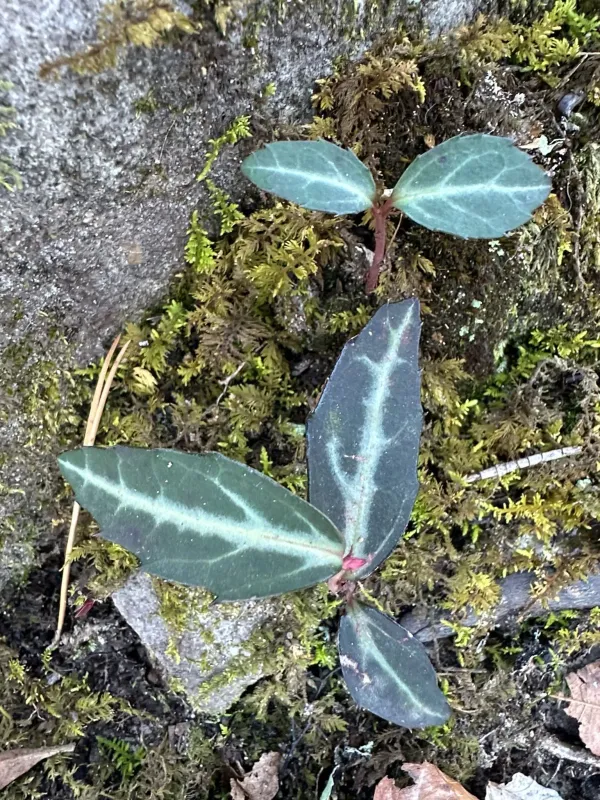
Spotted wintergreen (Chimaphila maculata) is a perennial evergreen plant belonging to the Ericaceae family. It is native to the temperate forests of North America, where it thrives in shaded, well-drained woodland environments under deciduous and coniferous canopies.
The cultural requirements for this species are highly specific. It demands acidic soil conditions rich in leaf litter and organic matter. Gardeners must ensure that the growing site provides excellent drainage, as the roots are highly susceptible to rot in waterlogged conditions.
Climate needs include stable, cool temperatures and high atmospheric humidity. In an agricultural or horticultural setting, the plant requires filtered light or deep shade, as direct sun exposure can severely damage the foliage and disrupt the plant's delicate moisture balance.
Biological success of Chimaphila maculata depends on the presence of beneficial mycorrhizal fungi in the soil. Unlike typical crops, it cannot thrive with synthetic fertilizers; instead, the soil should be maintained with natural leaf mold to encourage the necessary symbiotic connections.
Historically and commercially, the plant is used for its therapeutic properties. It contains compounds like chimaphilin and arbutin, which are recognized for their diuretic, tonic, and antiseptic effects in herbal medicine practice.
Main diseases and pests
The primary threat to spotted wintergreen cultivation is the invasion of soil-borne pathogens. Root rot caused by overwatering or soil compaction is the most common cause of failure in propagation and field growth experiments.
Pests such as slugs and snails are notorious for feeding on the evergreen leaves during damp seasons. Additionally, invasive forest weeds can easily outcompete this slow-growing plant, necessitating careful manual weeding to protect the colony from suppression.