
Chimaphila japonica
Chimaphila japonica
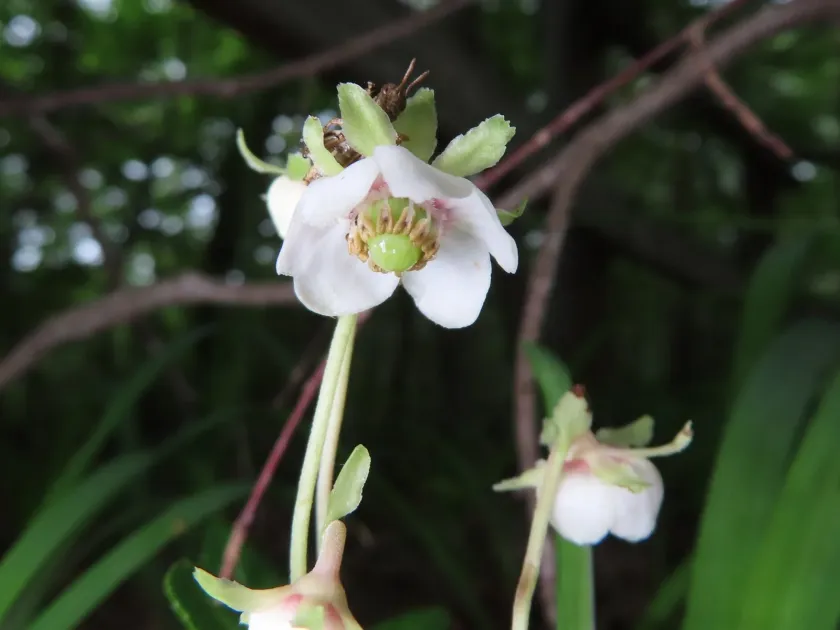
Description
Sowing dates
Chimaphila japonica propagation in agricultural settings is primarily achieved through vegetative division of rhizomes. Due to the complex requirements for seed germination, including symbiotic relationships with specific soil fungi, direct seeding is rarely practiced.
The ideal time for transplantation is early spring. When moving plants to a prepared site, it is essential to retain the native soil ball to ensure the transfer of the symbiotic mycorrhizal network necessary for survival.
For laboratory-based reproduction, in vitro micropropagation is the preferred method. This ensures the production of disease-free plant material that is uniform in genetic quality.
When starting from seed in controlled environments, seeds require a prolonged cold stratification period of at least two to three months to break dormancy and trigger the germination process.
Once established in the nursery, young plants should be kept under controlled light conditions until they have fully adapted to the growing medium, emphasizing the need for high organic matter content.
Growing requirements
As a member of the Ericaceae family, Chimaphila japonica thrives in acidic environments. The ideal pH level of the substrate should fall between 4.5 and 5.5 to facilitate optimal nutrient uptake.
The species is a shade-loving plant that requires protection from intense, direct solar radiation. Artificial shading or placement under a tree canopy is mandatory for successful cultivation.
Moisture management is critical; the soil must remain consistently damp without becoming waterlogged. A well-draining substrate rich in coniferous needle litter mimics the natural forest floor and supports the plant's health.
Temperature control is essential for preventing leaf scorch and dehydration. The plant performs best in cool, temperate environments where summer peaks do not exceed 28 degrees Celsius.
Fertilization with standard NPK formulas is generally discouraged. Instead, maintaining the integrity of the soil structure and mycorrhizal associations is sufficient to sustain the plant's growth over time.
Harvesting
Harvesting for medicinal purposes focuses on the aerial parts of the plant, specifically the leaves and stems. These are collected during the active flowering stage when the concentration of glycosides is at its peak.
Sustainable harvesting practices are essential. Collectors should only remove a small portion of the foliage to ensure the long-term viability of the plants, as the growth rate of this species is relatively slow.
Post-harvest processing involves rapid drying in a temperature-controlled, dark environment. Temperatures should not exceed 40 degrees Celsius to prevent the degradation of bioactive compounds.
Dried material must be stored in a dry, dark place to maintain its therapeutic efficacy. Packaging in paper or fiberboard containers helps preserve the quality of the harvested herbs.
In industry, Chimaphila japonica is utilized for its pharmaceutical potential, particularly in the production of antiseptic and diuretic preparations used in traditional and modern herbal medicine.